
One of the most common questions travelers ask before coming to the Gili Islands is simple:
When is the best time to visit?
And honestly, the answer is not as straightforward as many people expect.
Because every season in the Gilis has its own advantages.
Some months bring crystal-clear underwater visibility and busy island energy. Others bring calmer oceans, quieter beaches, and more relaxed diving conditions.
At Divine Divers Gili Meno, we usually tell guests this:
There is no perfect season for everyone. It depends on the kind of trip you want.
Peak Season: April to November
These are the classic “postcard” months.
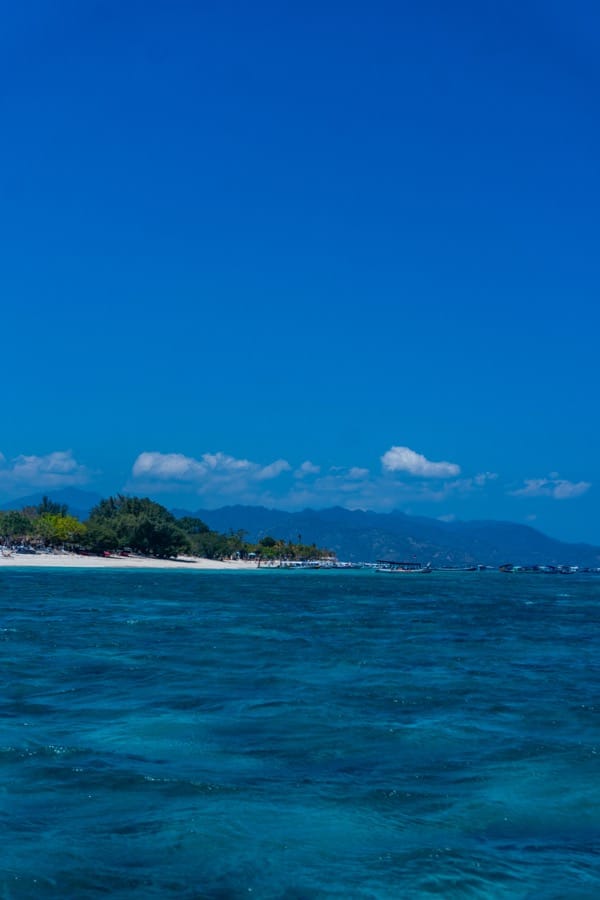
Blue skies. Long sunny days. Incredible sunsets. High underwater visibility.
During this period, diving conditions are often excellent. Visibility can become absolutely stunning, especially between July and October. Some days underwater visibility stretches far into the blue, making reefs, turtles, and schools of fish look almost unreal.
This is also when the islands feel most alive (aka it gets really busy at times).
Beachfront restaurants are busy. Dive boats are full. Sunset bars become social every evening. The whole atmosphere feels energetic and vibrant.
But there is a tradeoff.
High visibility often comes together with stronger currents.
And while experienced divers love the drift diving around the Gilis during these months, beginners sometimes find conditions slightly more challenging compared to quieter periods.
The islands are also noticeably busier during peak season, especially in July and August.
December to March: The “Rainy Season”
The words “rainy season” scare many travelers unnecessarily (and at times rightfully so LOL).
The reality is that the Gili Islands are usually much drier than mainland Lombok or Bali because of their location.
Many days during this period are still sunny and beautiful.
But yes — there are also years when it rains heavily for several days at a time. Tropical weather can be unpredictable, and during the “rainy season” there are stretches of cloudy or rainy weather that affect island life more noticeably.
The important thing is understanding that nobody can predict tropical weather perfectly anymore.
Some Januarys feel almost completely dry. Some bring stronger storms and rain.
That unpredictability is simply part of traveling in Indonesia.
Why Many Divers Actually Love Shoulder Seasons
Interestingly, many divers secretly prefer the quieter shoulder seasons (November and MArch/April).
Why?
Because the currents are often less intense.
Underwater visibility may not always be as spectacular as peak season, but calmer water conditions can make diving much more comfortable.
Turtle encounters remain amazing year-round. Water temperatures stay warm. And dive sites often feel quieter and more relaxed without peak season crowds.
The Truth About Weather in the Gilis
One thing people quickly learn about tropical islands is that weather forecasts are often wrong.
A day predicted as “heavy rain” may turn into sunshine after breakfast. A perfect sunny forecast can suddenly become an afternoon tropical storm.
Island weather changes fast.
And honestly, some rainy days in the Gilis are still beautiful. Watching storms pass across the ocean while sitting in a beachfront café can feel surprisingly relaxing.
Life simply slows down a little more.
So When Should You Come?
If you want:
- Maximum sunshine
- Best visibility
- Busy island atmosphere
- Stronger drift diving
Then May to October is ideal.
If you want:
- Fewer crowds
- Calmer diving conditions
- Lower prices
- More relaxed island energy
Then November to April can actually be wonderful too.
The good news is that the water around the Gilis remain warm, tropical, and beautiful all year.
Would you like to learn more about scuba diving in the Gili Islands check the complete guide to diving in the Gilis.