
Introduction to Diving the Gilis
The Gili Islands have earned a reputation as one of the best and accessible places for scuba diving in Indonesia.
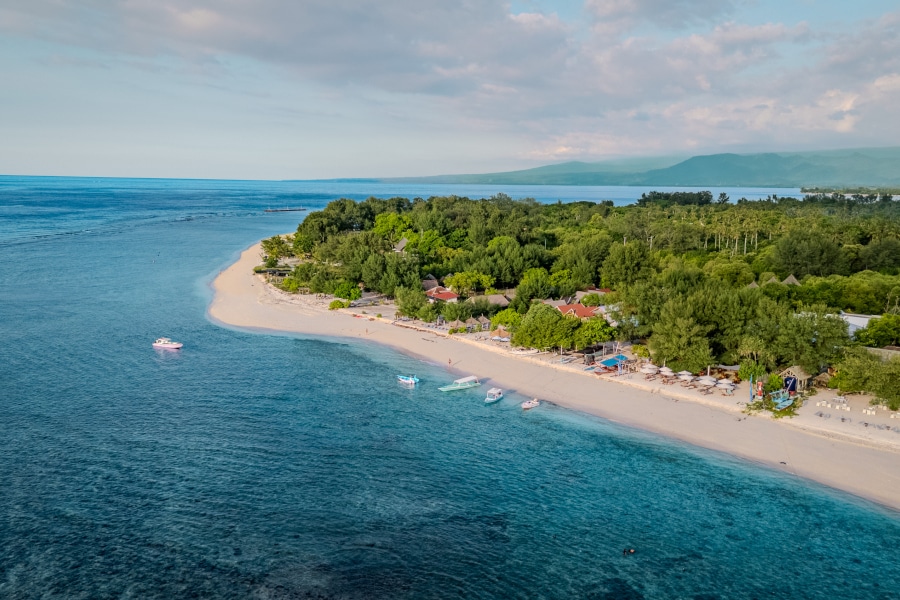
The three tropical islands – Gili Trawangan, Gili Meno, and Gili Air are located just off the northwest coast of Lombok (not Bali!). They offer warm waters, healthy coral reefs, abundant marine life, and year-round diving opportunities.
Whether you’re taking your first breaths underwater, looking to complete a PADI course, or searching for unforgettable encounters with sea turtles or reef sharks, scuba diving in the Gili Islands offers something for every level of diver.
Gili Trawangan is known for its lively atmosphere wheras Gili Air offers a balance between relaxation and activity. Gili Meno provides a quieter and more relaxed environment overall.
In this Guide
In this complete guide, we’ll cover everything you need to know about diving in the Gili Islands. This includes the best dive sites, marine life, seasonal conditions, diving courses and safety considerations.
Table of Contents
Why Dive in the Gili Islands?
Few dive destinations combine accessibility, marine biodiversity, and beginner-friendly conditions as successfully as the Gili Islands.
For many travellers, the islands represent the perfect introduction to scuba diving in Indonesia. At the same time many experienced divers continue to return year after year to enjoy the area’s diverse dive sites and thriving marine ecosystems.
Incredible Marine Life
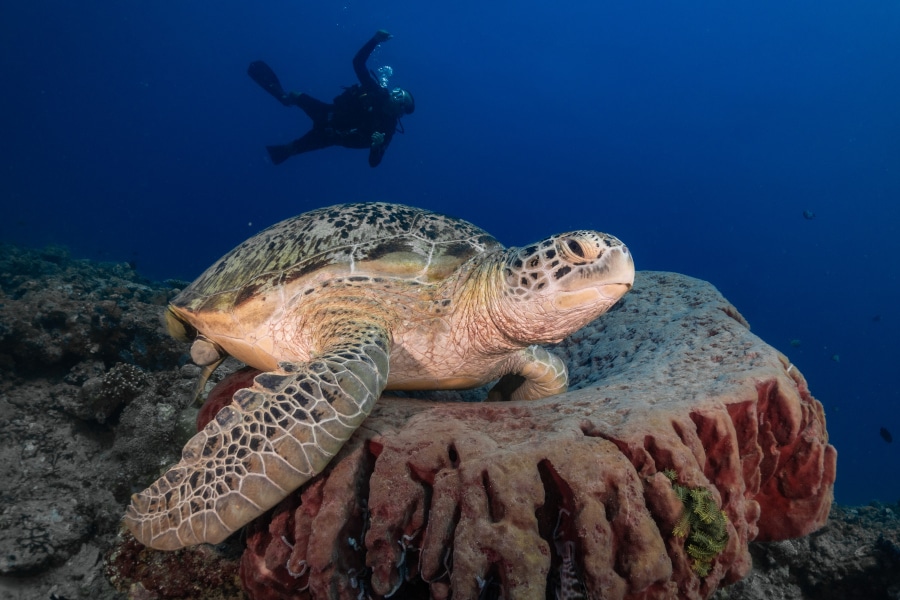
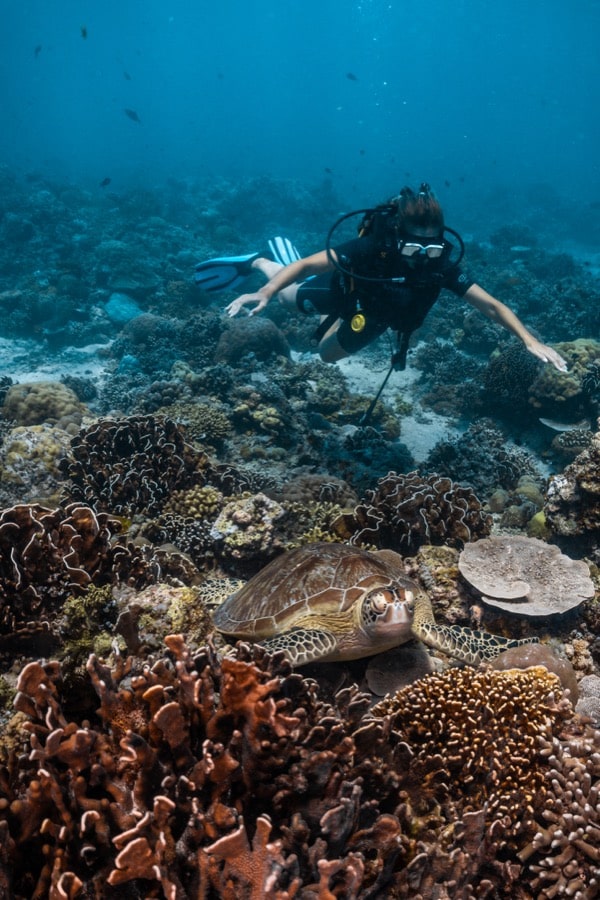
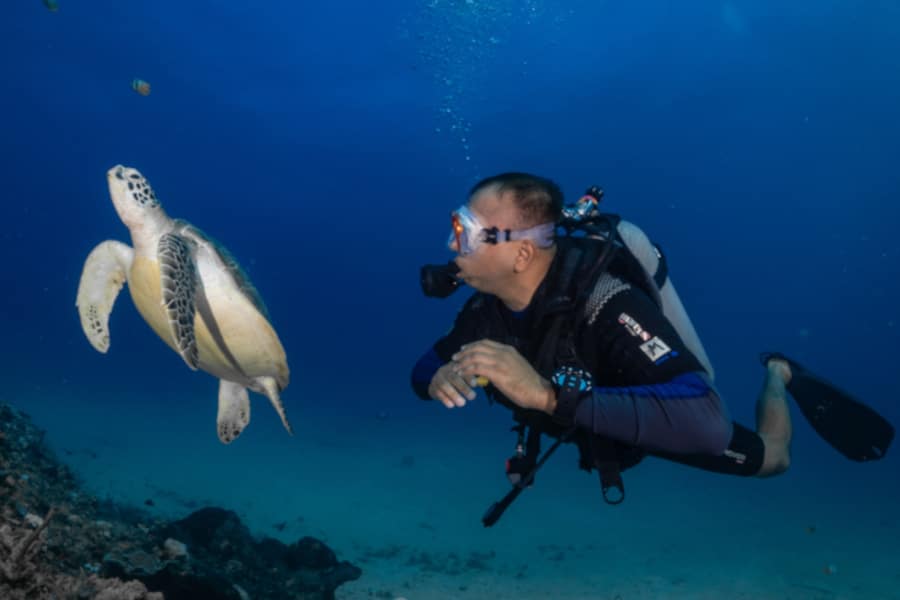
One of the main reasons divers visit the Gili Islands is the opportunity to encounter an impressive variety of marine life. Green sea turtles are undoubtedly the stars of the show.
At sites such as Turtle Heaven (Turtle City), Halik or Shark Point divers often encounter multiple turtles during a single dive.
Hawksbill turtles can also be spotted. In general hawksbill turtles are less docile than green turtles and are usually spotted while they are eating. They tend to prefer reefs such as Bounty Wreck and Sunset Reef.
Beyond turtles, divers regularly encounter reef sharks, moray eels, octopus, cuttlefish, stingrays, and a surprising diversity of macro life (well, it is Indonesia in the end).
Nudibranch enthusiasts can spend entire dives searching for the colourful sea slugs that inhabit the reefs.
Photographers often focus on frogfish, leaf fish, scorpionfish, and other well-camouflaged creatures.
The combination of large marine animals and fascinating macro life makes Gili Islands diving appealing to a wide range of underwater enthusiasts. Not just the beginner divers.
Healthy Coral Reefs
Coral reefs surrounding the Gili Islands support a remarkable diversity of marine species.
Hard corals, soft corals, sea fans, sponges, and artificial reef structures create habitats for thousands of reef inhabitants.
Excellent Visibility
Visibility is another major attraction of scuba diving in the Gili Islands. While conditions vary throughout the year, divers can often enjoy visibility ranging from 15 to 30 metres. Detailed monthly conditions are covered below.
Diving for Every Experience Level
One of the greatest strengths of diving in the Gili Islands is the variety of conditions available. Beginners can enjoy shallow reefs, managable conditions, and easy navigation. More experienced divers can explore sites with stronger currents and more challenging profiles.
This diversity allows divers to continue progressing throughout their stay.
Many visitors arrive to learn scuba diving in Indonesia and leave with plans to complete an advanced certifications or continue their diving adventures elsewhere in the country.
Whether you’re interested in your first dive, fun diving excursions, underwater photography, or professional-level training, the Gili Islands offer suitable opportunities for every diver.
Best Time to Dive the Gili Islands
One of the great advantages of scuba diving in the Gili Islands is that diving is possible throughout the year. Warm water temperatures, a tropical climate, and a wide variety of dive sites ensure that there is rarely a bad time to get underwater.
Dry Season (April to November)
Overall, the best underwater conditions are typically found between April and November. During these months, divers can often expect calm seas, excellent visibility, and comfortable weather above and below the surface.
Visibility is usually at its best during the dry season, often ranging from 20 to 35 metres. What we see most often is that visibility easily exceeds 25 meters during peak season. Water temperatures remain warm at around 29–30°C, making diving comfortable throughout the day.
Currents are generally strongest between June and October. While this can create more exciting drift dives and attract larger schools of fish, all dives in the Gili Islands are planned according to the conditions and remain suitable for certified divers.
Rainy Season (December to March)
Diving continues throughout the rainy season, although visibility is typically reduced compared to the dry season. Divers can usually expect visibility between 10 and 20 metres, with occasional periods of heavy rainfall.
Despite the reduced visibility, marine life remains abundant and encounters with green sea turtles, reef sharks, octopus, and cuttlefish are often just as rewarding as during the dry season.
Peak Season vs Shoulder Season
July, August, and September are considered the peak tourist months. While diving conditions are often outstanding, the islands—particularly Gili Trawangan and Gili Air—can become significantly busier.
For many divers, the shoulder season offers the ideal balance between excellent diving conditions and a more relaxed atmosphere. April, May, June, October, and November often provide fantastic visibility, warm water temperatures, and fewer crowds both on land and underwater.
As a result, these months are particularly popular with divers looking to complete a PADI course in the Gili Islands, enjoy fun diving around Gili Meno, or simply experience some of the best diving the Gili Islands have to offer.
Our Recommendation
If your schedule is flexible, we generally recommend visiting between April and June or October and November. These months often combine excellent visibility, comfortable weather, warm water temperatures, and a more relaxed atmosphere, making them ideal for both beginner and experienced divers.
For more weather information also check When to visit the Gili Islands.
The 3 Gili Islands Explained
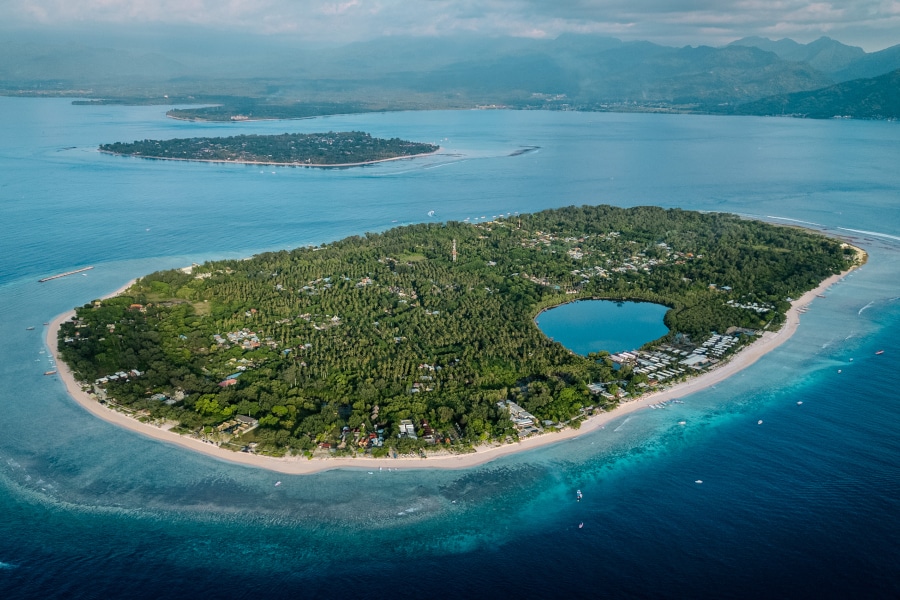
Although commonly referred to as a single destination, the Gili Islands actually consist of three distinct islands: Gili Trawangan, Gili Meno, and Gili Air. Each island offers a unique atmosphere above the water, but all three share access to the same network of world-class dive sites.
Because the islands are located only a few kilometres apart, dive boats can easily reach sites around all three islands regardless of where you stay. However, the overall holiday experience can differ significantly depending on which island you choose as your base.
Gili Meno – A Great Choice for Divers Seeking Nature and Tranquility
Gili Meno is the smallest and quietest of the three islands and is widely regarded as the most relaxed destination in the archipelago.
With no busy nightlife scene and fewer visitors than its neighbouring islands, Gili Meno offers a peaceful atmosphere that appeals to divers, couples, families, and nature lovers.
The island is surrounded by some of the region’s most famous dive sites. Also, thanks so its central location boat rides are usually not longer than 10 minutes to reach the dive sites.
The island is also an excellent choice for beginners. Many dive sites feature gentle conditions, shallow reef systems, and easy access to training areas, making Gili Meno a very popular popular places to learn scuba diving in Indonesia.
For certified divers, the island offers easy access to both relaxed reef dives and more challenging drift dives, ensuring there is something for every experience level.
For some however, the island really is too quiet.
Gili Trawangan – Vibrant Atmosphere and Diverse Diving
Gili Trawangan is the largest and most developed of the three islands. Known for its lively atmosphere, restaurants, beach clubs, and nightlife, it attracts a diverse mix of backpackers, holidaymakers, and divers.
The island is home to a large number of dive centres and offers access to many of the same dive sites found around the other Gili Islands. Popular sites such as Shark Point, Deep Turbo (in between Meno and Trawangan) and Halik are all easily accessible from Gili Trawangan.
Because several of the deeper and more current-exposed dive sites are located on the northern side of the islands, Gili Trawangan is often associated with more advanced diving. Sites such as Shark Point can often provide encounters with reef sharks, eagle rays, and large schools of fish.
While the diving is excellent, visitors should be aware that Gili Trawangan can become significantly busier during peak season, both above and below the water.
Gili Air – A Balance Between Relaxation and Convenience
Gili Air has developed a reputation as one of the most charming islands in the archipelago.
Combining beautiful beaches, a laid-back atmosphere, and a growing selection of cafés, restaurants, and boutique accommodations, it appeals to a wide range of travellers, including couples, families, digital nomads, and holidaymakers looking for a relaxed tropical escape.
In recent years, the island has evolved significantly and now offers a vibrant tourism scene while still maintaining much of its traditional island character. The western side of Gili Air is particularly popular for sunset drinks, beachfront dining, and a growing number of stylish beach clubs.
From a diving perspective, Gili Air provides access to the same network of world-class dive sites that make the Gili Islands famous. Turtle encounters are common, visibility is mostly excellent.
Many visitors, however, appreciate the combination of comfortable accommodation, a lively yet relaxed atmosphere, and excellent access to diving. For travellers seeking a tropical island experience with a strong focus on beaches, cafés, and island life, Gili Air remains a very popular choice.
Which Gili Island Is Best for Diving?
The best island for diving ultimately depends on the type of holiday you are looking for.
| Feature | Meno | Air | Trawangan |
| Peaceful | ***** | *** | * |
| Nightlife | * | ** | ***** |
| Families | ***** | **** | *** |
| Diving access | ***** | **** | **** |
Turtle Diving in Gili Meno
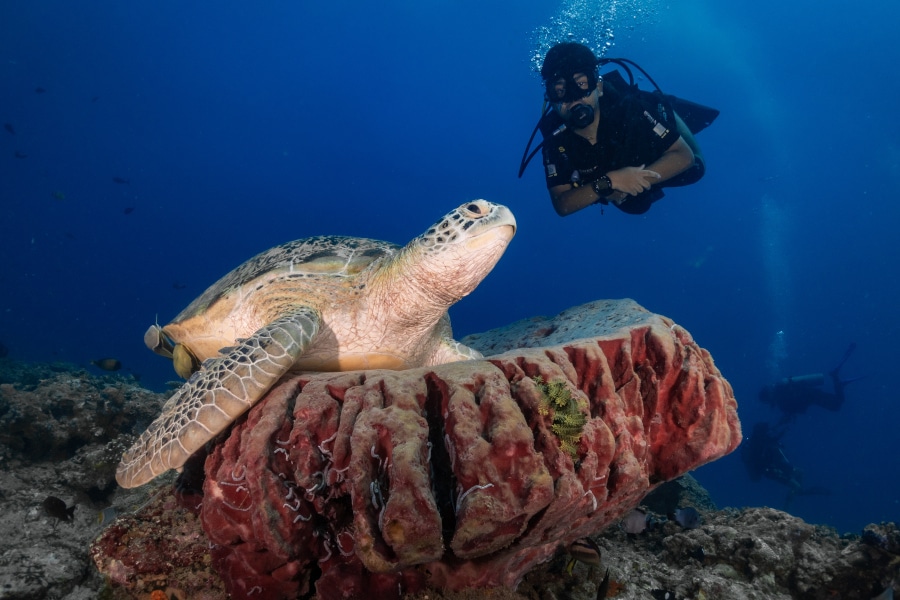
If there is one experience that defines scuba diving in the Gili Islands, it is diving with sea turtles.
The waters surrounding Gili Meno are home to a healthy population of green sea turtles and, less frequently, hawksbill turtles.
While turtle encounters can never be guaranteed, sightings are so common that many divers consider Gili Meno one of the best places in Indonesia for turtle diving.
Unlike destinations where divers may need to search extensively for turtles, encounters around Gili Meno often occur naturally throughout the dive.
Turtles can frequently be seen resting beneath coral overhangs, grazing on seagrass beds, swimming along reef slopes, or surfacing to breathe.
For many visitors, seeing a turtle underwater for the first time becomes one of the most memorable moments of their diving holiday.
Why Are There So Many Turtles Around Gili Meno?
Several factors contribute to the island’s remarkable turtle population.
The reefs surrounding Gili Meno provide a combination of food sources, shelter, and relatively healthy marine habitats. Extensive seagrass beds offer feeding grounds, while coral reefs provide resting and cleaning stations used by turtles throughout the day.
Conservation efforts throughout the Gili Islands have also played an important role in protecting local turtle populations. Increased environmental awareness, marine conservation initiatives, and responsible diving practices have helped create an environment where turtles continue to thrive.
As a result, the Gili Islands have become one of Southeast Asia’s most reliable destinations for divers hoping to encounter sea turtles in their natural habitat.
Which Turtle Species Can You See in the Gili Islands?
Most turtle encounters in the Gili Islands involve two species: the Green Sea Turtle (Chelonia mydas) and the Hawksbill Turtle (Eretmochelys imbricata).
Green Sea Turtles
Green sea turtles are by far the most commonly encountered turtles around Gili Meno and throughout the Gili Islands. Adults can grow to more than one metre in length and weigh over 150 kilograms.
Despite their name, their shells are usually shades of brown, olive, or grey rather than green. The name actually comes from the green colour of the fat beneath their skin.
Green turtles are primarily herbivores and spend much of their time feeding on seagrass and algae. Around the Gili Islands, they are often seen resting beneath coral ledges, grazing in shallow areas, or swimming slowly across the reef.
Because they are so abundant around Gili Meno, many divers encounter multiple green sea turtles during a single dive.
Hawksbill Turtles
Hawksbill turtles are encountered less frequently but are considered by many divers to be even more beautiful than their larger relatives.
They can be identified by their distinctive pointed beak, which resembles the beak of a hawk and gives the species its name. Their shells are often more colourful than those of green turtles, displaying beautiful patterns of amber, gold, brown, and black.
Unlike green turtles, hawksbills primarily feed on sponges and other invertebrates found on coral reefs. They are often observed exploring crevices, overhangs, and coral formations in search of food.
Hawksbill turtles tend to be slightly more cautious around divers and are usually encountered individually rather than in groups.
Responsible Turtle Diving
One of the reasons turtle diving remains so exceptional in Gili Meno is the growing commitment to responsible diving practices.
Divers should always maintain a respectful distance from turtles, avoid blocking their path to the surface, and never attempt to touch, chase, or ride marine animals. Responsible interactions minimise stress and help ensure that future generations of divers can continue to enjoy these incredible encounters. (Green Fins)
By following good diving practices and supporting environmentally responsible dive centres, visitors can contribute to the long-term protection of the Gili Islands’ most iconic marine residents.
A Success Story for Conservation
Both green sea turtles and hawksbill turtles are protected species and play an important role in maintaining healthy marine ecosystems.
The regular turtle encounters enjoyed by divers today are a reminder of the importance of marine conservation in the Gili Islands which has originally been spearheaded by the Gili Eco Trust. While threats such as habitat degradation, plastic pollution, and historical fishing pressures continue to exist in many parts of the world, the waters around the Gili Islands remain one of the most reliable places in Indonesia to observe these remarkable animals in their natural environment.
For many divers, learning to identify the different turtle species adds another layer of enjoyment to every dive and creates a deeper appreciation for the incredible marine life of the Gili Islands.
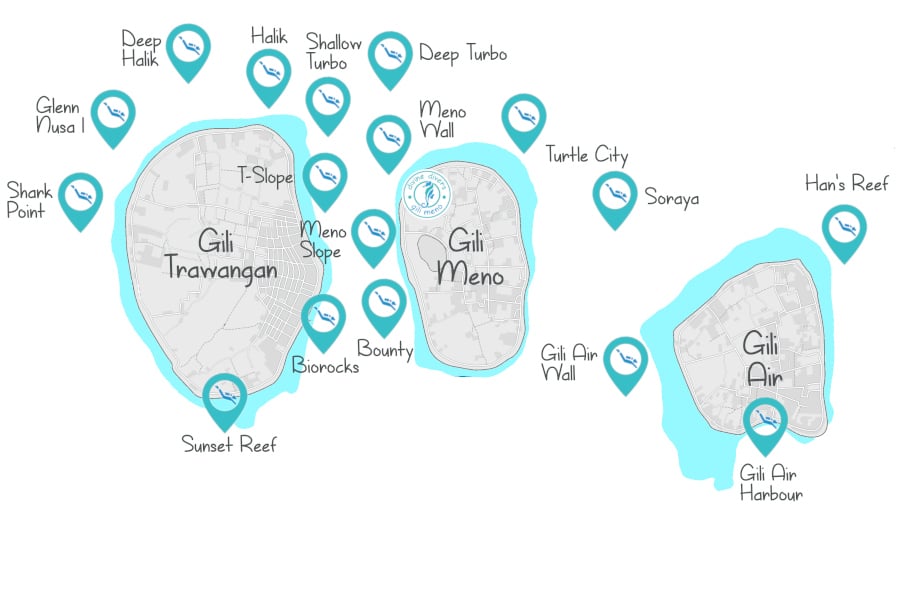
Best Dive Sites in the Gili Islands
One of the reasons scuba diving in the Gili Islands is so popular is the incredible variety of dive sites available within a relatively small area. From turtle-filled coral gardens and colourful reef walls to drift dives, wrecks, and shark encounters, the islands offer something for every level of diver.
Most dive sites can be reached within 5 to 10 minutes by boat.
Explore Every Dive Site
Looking for detailed information about Shark Point, Halik, Turtle City, Deep Turbo, and the other reefs surrounding the Gili Islands? Read our Complete Guide to Dive Sites in the Gili Islands.
Turtle Heaven / Turtle City (Gili Meno)
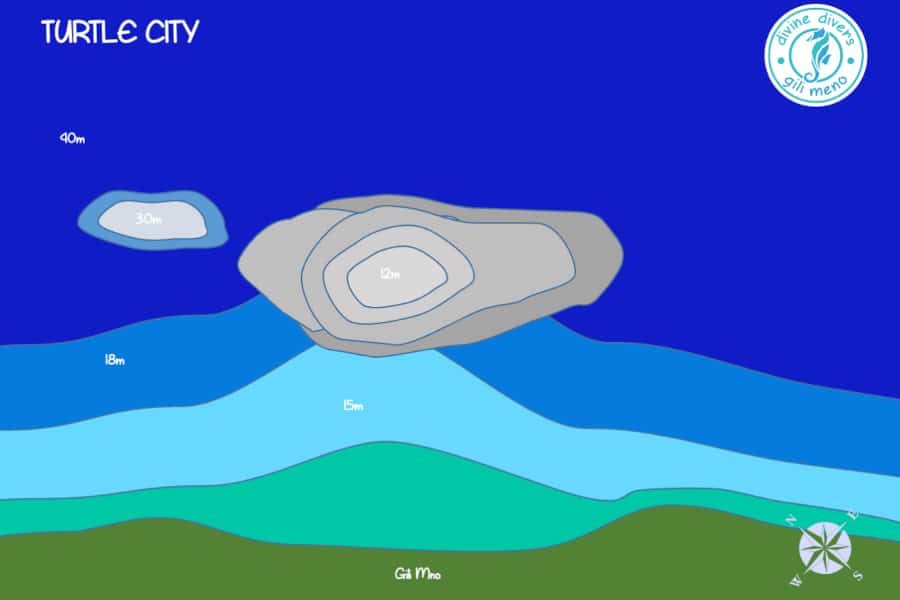
Depth: 5–30 metres
Level: Beginner to Advanced
As the name suggests, Turtle Heaven is the most famous turtle dive site in the Gili Islands.
Located on the northern side of Gili Meno, the site consists of a gently sloping reef covered with healthy hard and soft corals. Green sea turtles as well as hawksbill turtles are encountered on the majority of dives.
The wide range of profile and excellent conditions make Turtle Heaven suitable for beginners, student divers, and underwater photographers alike. People doing a deep specialty or professional training will also not be disappointed.
Highlights:
- Green sea turtles
- Hawksbill turtles
- Healthy coral gardens
- Excellent visibility
- Ideal for underwater photography
Shark Point (Gili Trawangan)
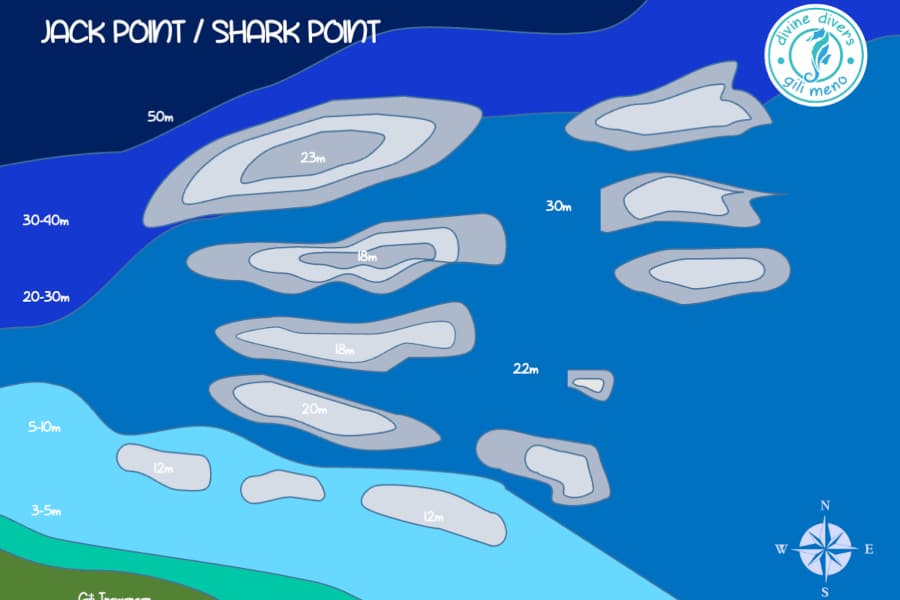
Depth: 10–30 metres
Level: Intermediate to Advanced
Shark Point is probably the most famous dive sites in the Gili Islands and is particularly popular among experienced divers.
Located off the northern coast of Gili Trawangan, the site consists of a series of reef slopes and ridges that benefit from nutrient-rich currents.
White tip as well as blacktip reef sharks are frequently encountered, especially on deeper sections of the reef. Large schools of fusiliers, trevallies, barracuda, and surgeonfish are also common.
During the right conditions, lucky divers may encounter eagle rays or mobula rays cruising through the blue.
Highlights:
- White tip reef sharks (sometimes also blacktip reef sharks)
- Schooling fish
- Drift diving
- Excellent visibility
- Occasional eagle rays or mobula (devil) rays
Meno Wall (Gili Meno)
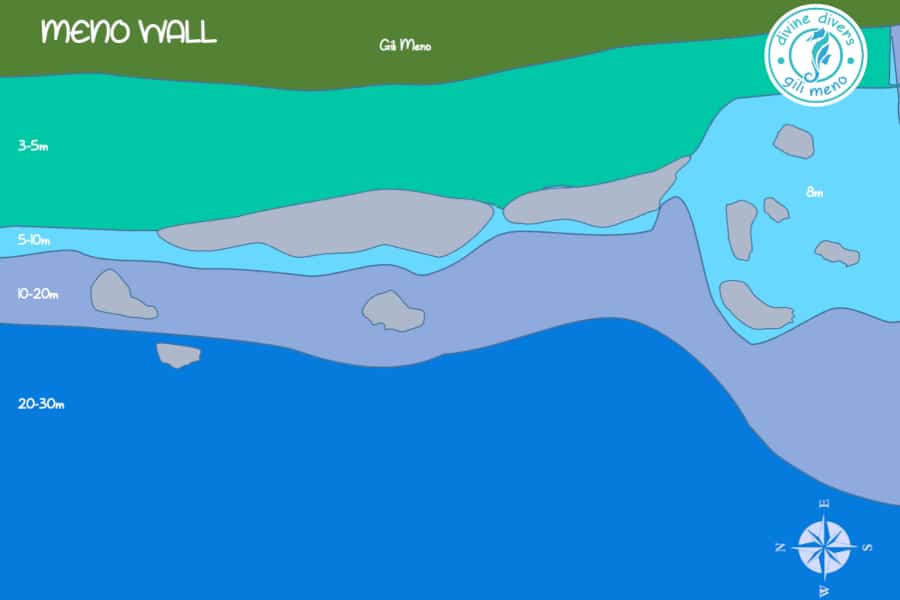
Depth: 5–25 metres
Level: Beginner to Intermediate
Meno Wall is one of the most diverse dive sites in the Gili Islands. The site features a beautiful coral wall, small overhangs, sponge formations, and numerous cleaning stations frequented by turtles.
The wall begins in shallow water and gradually drops into deeper areas, creating habitat for a wide range of marine life.
Macro enthusiasts regularly encounter nudibranchs, scorpionfish, and shrimp, while turtles are commonly observed resting beneath ledges along the wall.
Highlights:
- Frequent turtle encounters
- Colourful coral wall
- Nudibranchs and macro life
- Calm conditions
- Suitable for all experience levels
Halik Reef
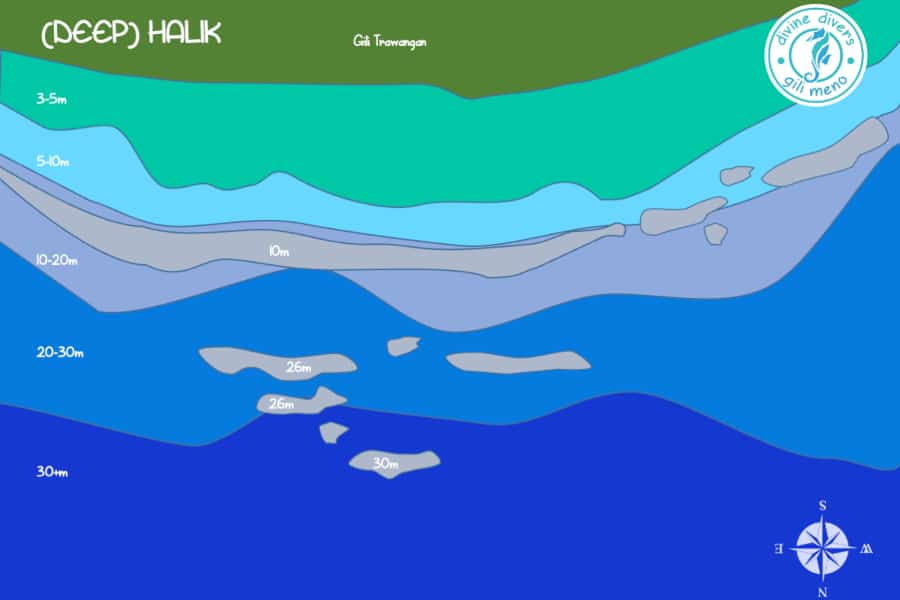
Depth: 5–30 metres
Level: Beginner to Advanced
Halik is often regarded as one of the healthiest coral reefs in the Gili Islands. The site features extensive hard coral formations, sea fans, and impressive fish life.
The reef is home to turtles, sweetlips, surgeonfish, angelfish, and a variety of reef predators.
Because of its size and diversity, Halik offers something new on almost every dive.
Halik is a fantastic dive site if you would like to see sharks on your very first dive. Or sharks in general. It has probably become the most popular dive site for seeing both sharks and turtles at a very shallow depth.
Highlights:
- Healthy coral reefs
- Reef sharks
- Large schools of fish
- Great visibility
- Suitable for all levels
Bounty Wreck
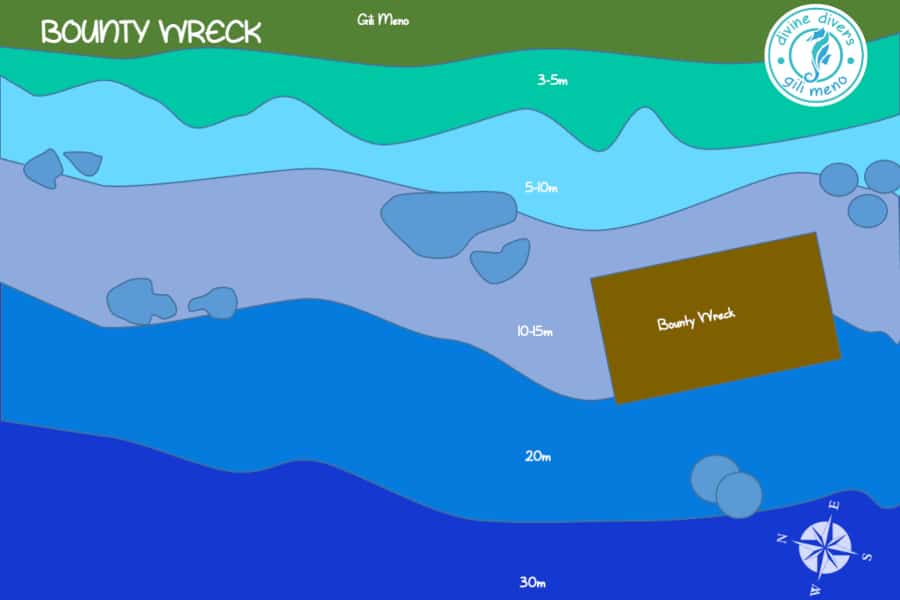
Depth: 8–18 metres
Level: Beginner to Advanced
The Bounty Wreck is an artificial reef created when a floating pontoon broke free during a storm and sank just off the reef on Gili Meno.
Over time, the structure has become home to a thriving ecosystem and attracts large numbers of fish.
The wreck is particularly popular for night dives and underwater photography.
Highlights:
- Artificial reef
- Schools of fish
- Night diving
- Easy diving conditions
Other popular dive sites
Marine Life of the Gili Islands
One of the main reasons many divers return to the Gili Islands year after year is the incredible diversity of marine life. While the islands may not offer the large pelagic encounters found in destinations such as Komodo or Raja Ampat, they excel when it comes to turtle encounters, healthy reef ecosystems, and an abundance of tropical marine species.
From green sea turtles and reef sharks to tiny nudibranchs and colourful reef fish, the waters surrounding Gili Meno, Gili Air, and Gili Trawangan provide exciting encounters for divers of all experience levels.
Sea Turtles – The Stars of the Gili Islands
Sea turtles are discussed in detail i our Turtle Diving Section above. Based on thousands of dives conducted around the Gili Islands each year, green sea turtles are by far the most frequently encountered large marine animal.
Reef Sharks
Many first-time visitors are surprised to learn that reef sharks are regularly encountered while diving in the Gili Islands.
Whitetip reef sharks are the species most commonly seen by divers. They are frequently encountered at sites such as Shark Point, Halik, and Sunset Reef, where they can often be found resting beneath coral ledges, inside small caves, or sheltering under rocky overhangs during the day.
Blacktip reef sharks are also regularly spotted throughout the Gili Islands, although generally less frequently than whitetips. They tend to be larger, more active swimmers and are often seen cruising along the reef or patrolling the drop-offs in search of food. Black Tip sightings are most common at Shark Point and Halik.
Both species are naturally shy and pose no threat to divers. For many visitors, spotting a reef shark for the first time is one of the highlights of diving in the Gili Islands and a sign of a healthy marine ecosystem.
Octopus and Cuttlefish
The reefs surrounding the islands are home to several species of octopus and cuttlefish.
Octopus are masters of camouflage and often reveal themselves only through subtle movement or dramatic colour changes. They are mostly seen hiding.
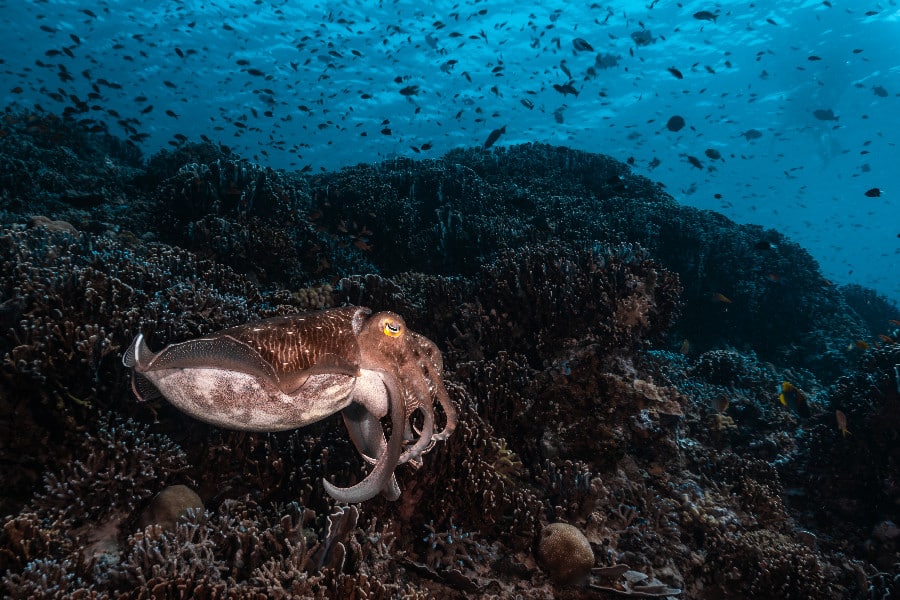
Cuttlefish are equally fascinating and are frequently observed hovering above sandy patches or displaying remarkable colour patterns as they communicate, hunt, or interact with other individuals.
Between August and October, divers are often treated to one of the most spectacular natural events in the Gili Islands: the mating season of both cuttlefish and octopus. During this period, encounters become significantly more frequent, and divers may observe complex courtship displays, colour-changing behaviour, and interactions rarely seen at other times of the year.
Halik Reef is particularly well known for its cuttlefish encounters. Very large cuttlefish are regularly spotted here, especially during the mating season, making it one of the best dive sites in the Gili Islands for observing these intelligent and highly adaptable animals.
Patient divers who take their time exploring the reef are often rewarded with unforgettable encounters, making octopus and cuttlefish some of the most fascinating marine life found in the Gili Islands.
Nudibranchs and Macro Life
The Gili Islands are also a fantastic destination for macro photography.
Careful observers can find a surprising variety of nudibranchs, flatworms, shrimp, crabs, and other small reef creatures hiding amongst corals and rubble areas.
Sites such as Hans Reef (Frogfish Point), Meno Wall, Meno Slope and the Bounty Wreck are particularly popular among photographers searching for these tiny underwater treasures.
Frogfish, Ghost Pipefish and Other Rare Finds
While sea turtles and reef sharks often steal the spotlight, the Gili Islands are also home to a fascinating collection of rare and unusual marine species that delight underwater photographers and experienced divers.
Frogfish are among the most sought-after sightings. Masters of camouflage, these remarkable ambush predators can occasionally be found at sites such as Bounty Wreck, where they blend perfectly into their surroundings.
Leaf scorpionfish, often referred to simply as leaf fish, are another favourite among macro enthusiasts. Their flattened bodies and leaf-like appearance make them extremely difficult to spot. Divers regularly encounter them at Hans Reef, Bounty Wreck, Shark Point, and Halik Reef.
Ornate ghost pipefish are seasonal visitors that can sometimes be found hovering amongst soft corals and crinoids. Bounty Wreck and Meno Slope are among the best locations to search for these elegant and highly camouflaged fish.
The reefs also support healthy populations of boxfish and cowfish. These curious and often comical-looking fish are regularly encountered at Hans Reef, Turtle City, Shark Point, Halik Reef, and Sunset Reef.
For divers who enjoy searching for the unusual rather than the obvious, these species add another layer of excitement to diving in the Gili Islands and demonstrate the remarkable biodiversity hidden amongst the reefs.
Moray Eels and Reef Predators
Moray eels are commonly encountered throughout the Gili Islands and can often be seen peering from crevices in the reef.
Several species inhabit the area, ranging from small but colourful ribbin eels to larger giant morays. While their appearance may seem intimidating, they are generally shy and spend most of their time hidden amongst the rocks.
Other common reef predators include lionfish, scorpionfish, trevallies, and barracuda.
Colourful Reef Fish
The reefs of the Gili Islands are alive with colour.
Divers can expect to encounter butterflyfish, angelfish, surgeonfish, parrotfish, triggerfish, bannerfish, sweetlips, fusiliers, and countless other tropical reef species.
Large schools of fish are particularly common at dive sites exposed to stronger currents, where nutrient-rich water supports a healthy ecosystem.
Seasonal Visitors and Lucky Encounters
While turtles, reef sharks, and colourful reef fish can be encountered throughout the year, lucky divers occasionally experience encounters with some of the larger marine species that visit the Gili Islands.
Eagle rays are sometimes spotted at sites such as Shark Point, Sunset Reef, and Soraya Reef, often gliding effortlessly through the blue water.
Schools of bumphead parrotfish are another highlight and can sometimes be encountered on the northern dive sites, including Turtle City, Halik Reef, Shark Point, and Hans Reef. These impressive fish typically move up from deeper water to feed around the full moon and new moon, making lunar cycles an important factor in predicting sightings.
During certain times of the year, divers may also encounter mobula rays passing through deeper waters around the islands. Although sightings are uncommon, these graceful rays are always a memorable surprise.
On very rare occasions, manta rays and even whale sharks pass through the Gili Islands.
While these encounters are impossible to predict, they serve as a reminder that the islands are connected to the wider marine ecosystems of Indonesia.
Diving Courses in the Gili Islands
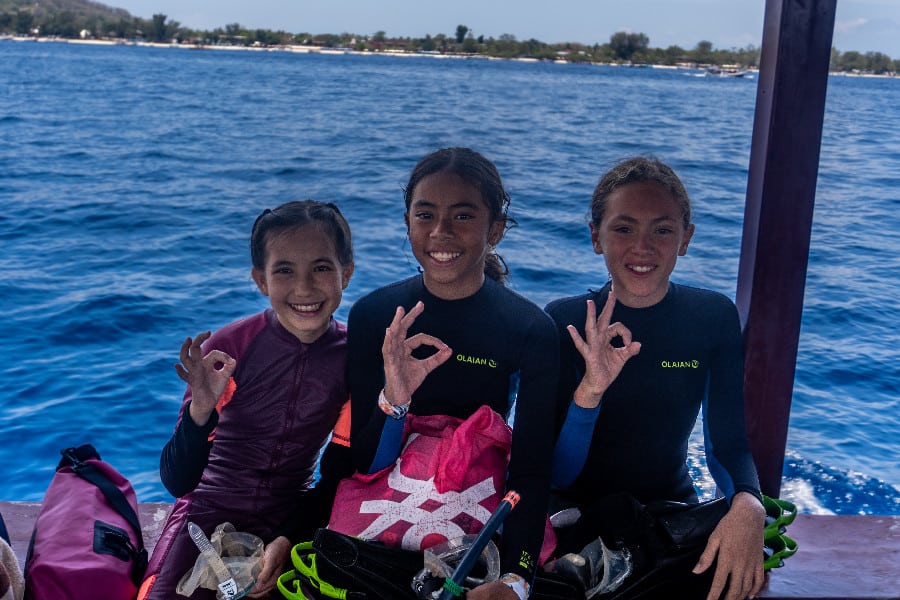
The Gili Islands have become one of the most popular places in Southeast Asia to learn scuba diving.
Whether you are taking your first breaths underwater or working towards becoming a professional diver, the Gili Islands offer courses for every experience level.
PADI vs SSI – Which Certification Agency Is Better?
Visitors researching diving courses in the Gili Islands will quickly notice that dive centres typically teach either PADI or SSI courses.
For already certified divers, the choice of certification agency has very little practical impact. Both PADI and SSI certifications are recognised worldwide and allow divers to dive with dive centres across the globe.
Whether you complete your training with PADI or SSI, you will be able to continue your diving education and enjoy fun diving almost anywhere in the world.
PADI is the largest diver training organisation in the world and remains the most widely recognised certification agency. SSI is also a highly respected international organisation with millions of certified divers worldwide. The training standards, safety procedures, and skills taught by both agencies are very comparable.
In reality, the quality of your diving education depends far more on the instructor than on the logo printed on your certification card.
A knowledgeable, patient, and enthusiastic instructor can make a huge difference to your learning experience, confidence, and overall enjoyment of the course.
Competitive and Transparent Pricing
Another advantage of learning to dive in the Gili Islands is the transparent pricing structure. Unlike many destinations where course prices can vary significantly between dive centres, prices in the Gili Islands are generally standardised across all three islands.
Most dive centres charge the same or very similar rates for Discover Scuba Diving / Introduction Dive experiences, Open Water Courses, Advanced Courses, and specialty certifications.
This allows visitors to choose a dive centre based on factors such as safety standards, instructor quality, group sizes, equipment maintenance, and overall reputation rather than simply looking for the lowest price.
While occasional promotions and package deals may exist, price differences between reputable dive centres are usually small.
As a result, divers can focus on finding the right learning environment and diving experience rather than spending hours comparing prices.
Discover Scuba Diving / Introduction Dive
Duration: 3-4 hours
For those who have never dived before, a Discover Scuba Diving experience is the perfect introduction to the underwater world.
Under the direct supervision of a professional instructor, participants learn basic diving skills in a swimming pool or shallo confined water. After that they go out to explore one of the reefs surrounding the islands.
Open Water Diver Course
Duration: 2-3 days
The Open Water Diver Course is the world’s most popular scuba diving certification and allows divers to dive independently with a buddy to a maximum depth of 18 metres.
Many divers choose to complete their Open Water Course in Gili Meno due to the island’s relaxed atmosphere, excellent visibility, and easy access to beginner-friendly dive sites.
The course typically takes two to three days and combines theory sessions, confined water training, and four open water dives.
Advanced Open Water Diver Course
Duration: 2 days
The Advanced Open Water Course is designed for certified divers looking to expand their skills and confidence underwater.
Participants complete a series of adventure dives that may include deep diving, underwater navigation, drift diving, night diving, wreck diving, fish identification, or underwater photography.
The diverse dive sites of the Gili Islands make them an excellent location for advanced training, particularly for divers wishing to gain experience in currents and deeper environments.
Other popular courses
Other popular courses include the Nitrox Course, Deep Diver Course, Drift Diver Specialty and the Divemaster Training. Kids increasingly discover the underwater world with the Bubblemaker Programme
Safety Considerations for Diving in the Gili Islands
The Gili Islands are widely regarded as one of the best places in Indonesia to learn scuba diving.
Like any diving destination, however, understanding the local conditions is an important part of diving safely and enjoying your time underwater.
Understanding Currents
The Gili Islands are known for their currents, which are created by the movement of water between Bali, Lombok, and the surrounding islands.
Current strength varies depending on tides, moon phases, weather conditions, and dive site location. Some sites may experience little or no current, while others can offer exciting drift dives. Learn more in our complete guide to understanding currents in the Gili Islands.
Fortunately, dive centres monitor conditions closely and select dive sites according to the experience level of the divers. Most dives are conducted as drift dives, allowing divers to move with the current rather than against it.
Suitable for Beginners
Many visitors complete their first dives in the Gili Islands. Sites such as Turtle Heaven, Halik, Meno Slope, and parts of Meno Wall offer relatively shallow depths, excellent visibility, and conditions that are often ideal for diver training.
Professional Dive Standards
The Gili Islands are home to a large number of professional dive centres operating under internationally recognised training agencies such as PADI and SSI.
Equipment is regularly maintained, instructors are professionally trained, and safety procedures follow international diving standards. However, as with any dive destination, divers should take a moment to assess the overall professionalism of a dive centre before booking.
We recommend paying attention to factors such as equipment condition, regulator and BCD maintenance, oxygen availability, boat safety equipment, group sizes, and the experience of the instructors and dive guides.
A reputable dive centre should be happy to answer questions about its safety procedures and equipment maintenance programme.
Emergency Facilities and Hyperbaric Chambers
Although diving incidents are rare, it is reassuring to know that the Gili Islands have access to professional emergency facilities and hyperbaric treatment.
The closest hyperbaric chamber is located in Tanjung, on the northwest coast of Lombok. In the event of an emergency, it can typically be reached within approximately 15 minutes by speedboat from the Gili Islands, making it one of the most accessible hyperbaric facilities in Indonesia.
A second hyperbaric chamber is located in Mataram, Lombok’s capital city (45 to 60 minutes). Together with several international hospitals this provides additional treatment capacity and medical support for the region.
The presence of these facilities, combined with established evacuation procedures and experienced dive operators, contributes to the Gili Islands’ reputation as a safe and well-developed diving destination.
Marine Life Safety
The marine life found in the Gili Islands is generally harmless.
Divers should always avoid touching, chasing, or disturbing marine animals. Respectful interactions are safer for both divers and wildlife while helping to protect the fragile marine ecosystem.
Flying After Diving
As with all dive destinations, divers should allow sufficient time between their last dive and flying.
Current recommendations advise waiting at least 18 hours before boarding a flight after multiple dives. This reduces the risk of decompression sickness and is an important part of safe dive planning.
Diving Insurance
While not mandatory, diving insurance is strongly recommended for all certified divers.
Specialised diving insurance can provide coverage for diving-related accidents, emergency evacuation, and hyperbaric treatment should it ever be required.
Overall a Safe and Enjoyable Diving Destination
With professional dive centres, favourable conditions, and a strong diving community, the Gili Islands have earned a reputation as one of Southeast Asia’s safest and most accessible diving destinations.
By diving within your certification limits, listening to your instructors and guides, and choosing a reputable dive centre, you can enjoy the incredible marine life, coral reefs, and underwater adventures that make diving in the Gili Islands so special.
Sustainability and Eco Diving in the Gili Islands
The Gili Islands are famous for their sea turtles, coral reefs, and diverse marine life. However, the popularity of the islands has also created challenges for the marine environment.
As tourism and diving have grown over the years, local communities, dive centres, and conservation organisations have worked together to protect the ecosystems that make the islands such a special destination.
The Importance of Responsible Diving
Every diver has an impact on the underwater environment.
Simple actions such as maintaining good buoyancy control, avoiding contact with corals, securing equipment, and respecting marine life can make a significant difference. Even accidental contact with coral can damage organisms that may have taken decades to grow. (Green Fins)
Responsible divers also avoid chasing turtles, touching marine animals, or feeding wildlife.
Green Fins – Promoting Sustainable Diving
Green Fins is an internationally recognised conservation initiative designed to reduce the environmental impact of diving and snorkelling operations.
It was developed by the United Nations Environment Programme (UNEP) and The Reef-World Foundation and has become the world’s leading environmental certification programme for dive centres.
Member dive centres commit to a strict code of conduct covering environmental education, responsible diving practices, waste management, reef protection, and marine conservation.
For divers, choosing a Green Fins member dive centre provides reassurance that environmental responsibility forms an important part of the operation’s daily activities.
Coral Restoration and Reef Recovery
The reefs surrounding the Gili Islands have not always been as healthy as they are today.
In the past, destructive fishing practices, including dynamite fishing, caused damage to parts of the reef system. Although signs of this history can still be seen at some locations, many areas have recovered remarkably well thanks to conservation efforts and natural regeneration.
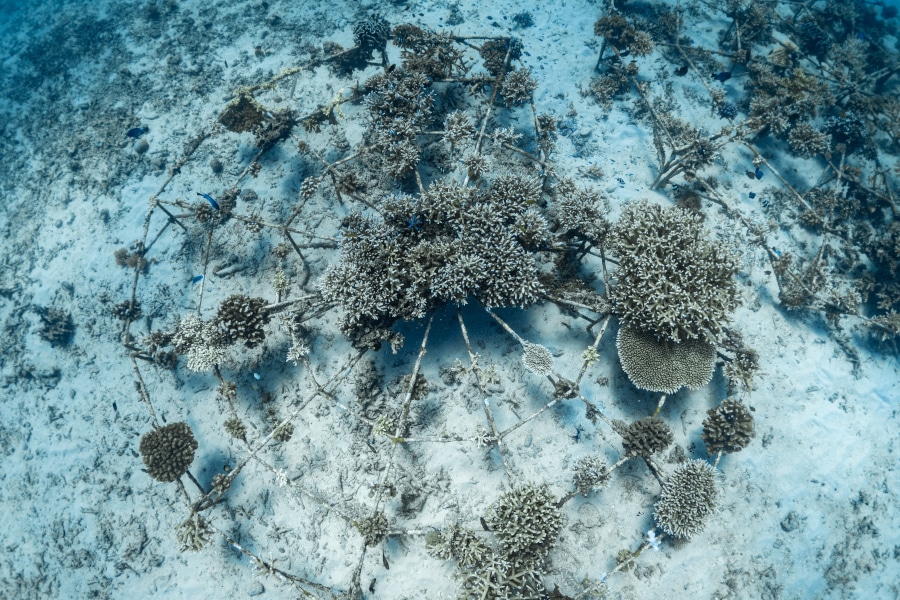
Coral restoration projects have also contributed to reef recovery. These initiatives help create new habitats for marine life while raising awareness about the importance of protecting Indonesia’s coral reef ecosystems.
Today, divers can witness both thriving reefs and ongoing restoration efforts, providing a powerful reminder of the importance of marine conservation.
Reducing Plastic Pollution
Like many island destinations around the world, the Gili Islands face challenges related to plastic pollution.
Local organisations, dive centres, businesses, and community groups (such as Trash Hero Gili Meno) regularly organise beach clean-ups, underwater clean-up dives, and educational programmes aimed at reducing marine debris.
Visitors can support these efforts by minimising single-use plastics, using reusable water bottles, disposing of waste responsibly, and participating in local conservation initiatives whenever possible.
Protecting the Gili Islands for Future Generations
The future of diving in the Gili Islands depends on the continued protection of its marine ecosystems.
Healthy coral reefs support sea turtles, reef sharks, octopus, cuttlefish, and countless other marine species that attract divers from around the world.
By supporting environmentally responsible businesses and adopting sustainable diving practices, visitors can help ensure that these underwater treasures remain healthy.
How Much Does Diving Cost in the Gili Islands?
Compared to many other popular diving destinations around the world, the Gili Islands offer excellent value for money.
While prices can vary slightly between dive centres and special promotions are occasionally available, diving prices across Gili Trawangan, Gili Meno, and Gili Air are generally standardised.
Fun Diving Prices
Certified divers can choose from a variety of fun diving packages.
Typical prices include:
- Single Dive: IDR 640.000
- Packages are available in general at a 10% discount on the single dive price
Equipment rental is mostly included.
Discover Scuba Diving / Introduction Dives
For those who have never dived before, a Discover Scuba Diving experience is an excellent introduction to the underwater world.
Prices generally are around IDR 1.350.000 and typically include:
- Professional instructor
- Training session
- Equipment rental
- One open water dive
Open Water Diver Course
The Open Water Diver Course is the most popular certification course in the Gili Islands.
Prices are generally standardised across most dive centres and the IDR 6.900.000 typically include:
- Digital learning materials
- Training sessions
- Instructor fees
- Equipment rental
- Four open water dives
- Certification fees
Advanced and Specialty Courses
Advanced Open Water (IDR 5.900.000), Nitrox (IDR 3.400.000), Deep Diver (IDR 4.800.000) , and other specialty courses are widely available throughout the islands.
Prices vary depending on the course and number of required dives but remain competitive compared to many other diving destinations.
Choosing a Dive Centre
Because prices are generally similar throughout the Gili Islands, choosing a dive centre based solely on price is rarely the best approach.
Instead, we recommend considering factors such as:
- Instructor experience
- Safety standards
- Equipment condition
- Group sizes
- Environmental practices
- Reputation and reviews
A high-quality learning experience and a strong safety culture will usually provide far greater value than saving a small amount of money on the course price.
Frequently Asked Questions About Diving in the Gili Islands
Which Gili Island is best for diving?
All three islands provide access to the same network of dive sites. Chosing your best island depends on what you are looking for above water.
Can I learn scuba diving in the Gili Islands?
Yes. The islands are home to numerous PADI and SSI dive centres offering courses ranging from Discover Scuba Diving to Divemaster level.
Is PADI better than SSI?
Both organisations provide internationally recognised diving certifications and follow very similar training standards. The quality of your instructor and dive centre is generally more important than the certification agency itself.
How much does an Open Water Course cost in the Gili Islands?
Prices are generally standardised across the islands. Open Water Courses include training materials, equipment rental, instructor fees, certification, and four open water dives.
Are there sharks in the Gili Islands?
Yes. Whitetip reef sharks and blacktip reef sharks are regularly encountered at dive sites such as Shark Point, Halik Reef, and Sunset Reef. These sharks are naturally shy and pose no threat to divers.
Can you dive with turtles in the Gili Islands?
Yes. Turtle encounters are one of the highlights of diving in the Gili Islands. Literally all dive sites frequently provide opportunities to observe green sea turtles in their natural habitat.
What is the best dive site in the Gili Islands?
This depends on personal preference. Turtle Heaven is famous for turtles, Shark Point for reef sharks, Halik Reef for healthy coral reefs, and Deep Turbo for exciting drift diving.
What is the best time to dive the Gili Islands?
Diving is available year-round. However, many divers consider April to November the best period due to calmer weather, warmer temperatures, and exceptional underwater visibility.
Is diving in the Gili Islands safe?
Yes. The Gili Islands are considered one of Southeast Asia’s safest diving destinations. Professional dive centres, internationally recognised training standards, and nearby hyperbaric facilities help ensure a high level of safety.
Is diving expensive in the Gili Islands?
Compared to many international dive destinations, the Gili Islands offer excellent value for money. Course prices and fun diving rates are generally standardised across the islands.

Why Dive with Divine Divers on Gili Meno?
Choosing a dive center is about more than just tanks and boats.
It is about the experience.
Located directly on the beachfront of Gili Meno, Divine Divers Gili Meno combines professional diving with the relaxed atmosphere that makes Gili Meno so special.
As the only dive resort on Gili Meno, guests can stay, dive, eat, and relax all in one location.
Whether you are trying diving for the first time, completing your Open Water or Advanced Open Water Course, or simply joining fun dives, Divine Divers focuses on small groups, personalized service, and high safety standards.
And honestly, after a morning dive with turtles, an afternoon spent relaxing on the beach, and sunset drinks at Bubbles Restaurant, it is easy to understand why so many visitors arrive for a few days and end up staying much longer.