
Indonesia is home to some of the most spectacular marine biodiversity on Earth. From the coral reefs of the Gili Islands to the manta rays of Nusa Penida and the untouched reefs of Raja Ampat, the country has become a dream destination for scuba divers from around the world.
But with growing tourism and increasing pressure on marine ecosystems, eco diving in Indonesia has never been more important.
What Is Eco Diving?
Eco diving, also called sustainable diving, focuses on minimizing the environmental impact of scuba diving while actively supporting marine conservation.
This includes:
- Respecting marine life
- Avoiding contact with coral reefs
- Using environmentally friendly dive practices
- Reducing plastic waste
- Supporting local conservation efforts
- Choosing responsible dive operators
- Educating divers about ocean protection
Healthy coral reefs are extremely fragile ecosystems. A single careless kick of a fin can damage coral that took decades to grow. Feeding marine animals, touching turtles, or standing on reefs can disrupt natural behavior and permanently harm underwater habitats.
Eco diving encourages divers to become active protectors of the ocean rather than passive visitors.
Why Indonesia’s Reefs Need Protection
Indonesia sits at the heart of the Coral Triangle, often called the “Amazon of the Seas.” The country contains some of the highest marine biodiversity on the planet, with thousands of fish species and hundreds of coral species found nowhere else.
However, these ecosystems face growing threats:
- Climate change and coral bleaching
- Plastic pollution
- Overfishing
- Unsustainable tourism
- Reef damage from anchors and poor diving practices
Popular dive destinations receive thousands of divers every year. While tourism helps local economies, unmanaged tourism can also put enormous pressure on marine environments.
This is why responsible dive tourism is so important. Divers who choose eco-conscious dive centers directly contribute to reef protection and sustainable local economies.
How Divers Can Make a Difference
The good news is that small actions underwater can make a huge difference.
Good buoyancy control is one of the most important eco diving skills. Divers who maintain neutral buoyancy avoid accidental coral damage and reduce disturbance to marine life.
Using reef-safe sunscreen, avoiding single-use plastics, and never touching or chasing animals are also simple but powerful ways to protect the ocean.
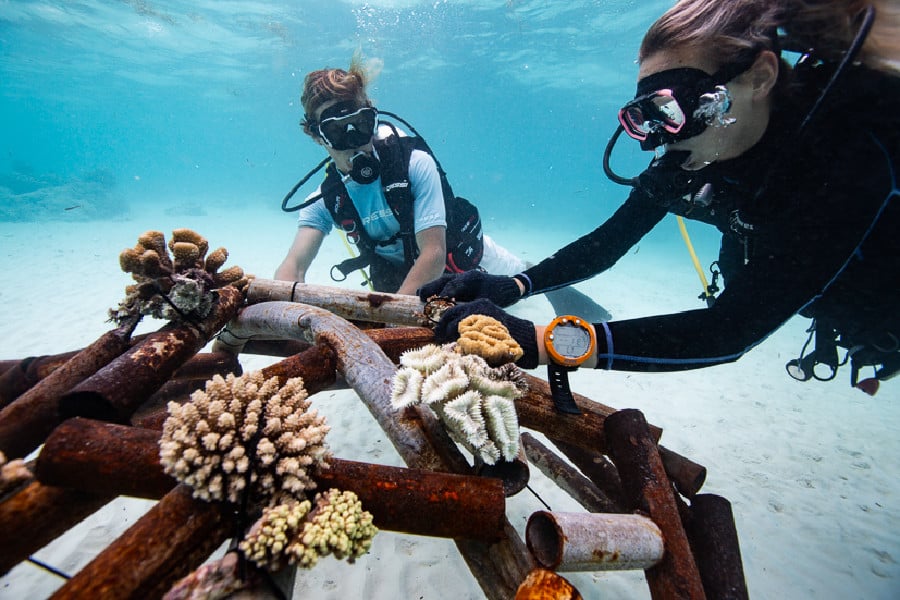
Many divers are now choosing dive centers that actively support marine conservation, beach cleanups, reef monitoring, and sustainable tourism practices.
The dive industry has a unique role in conservation because divers are often the first people to witness changes in reef health, marine populations, and ocean conditions.
Eco Diving in the Gili Islands
The Gili Islands have become one of Indonesia’s most popular diving destinations, famous for sea turtles, coral reefs, and crystal-clear water. But increased tourism has also highlighted the need for stronger marine protection and sustainable tourism initiatives.
Local organizations, dive centers, and community groups have worked hard to improve reef conservation, reduce plastic waste, and promote responsible tourism throughout the islands.
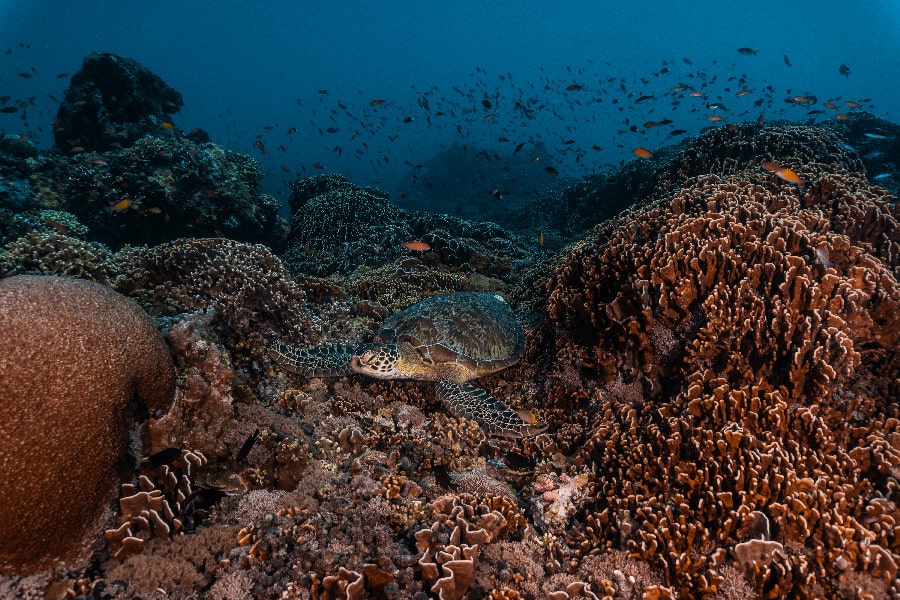
Around Gili Meno, divers can regularly encounter healthy coral reefs, green turtles, hawksbill turtles, reef sharks, and vibrant marine life. Protecting these ecosystems is essential not only for tourism but also for the local community that depends on the ocean every day.
Eco Diving at Divine Divers Gili Meno
Through responsible dive practices, small dive groups, environmental awareness, and respect for marine life, Divine Divers encourages guests to become more conscious underwater explorers. Divers are taught proper buoyancy control, responsible interaction with marine life, and sustainable diving habits from their very first dive experience.
Located directly on the peaceful island of Gili Meno, Divine Divers gives guests the opportunity to experience healthy reefs, turtle encounters, and relaxed island life while supporting a more sustainable approach to dive tourism in Indonesia.
The Future of Diving Depends on Conservation
The future of scuba diving depends entirely on the health of our oceans. Without healthy reefs, marine biodiversity, and clean water, the underwater experiences divers travel around the world to see could slowly disappear.
Eco diving is not about restricting adventure — it is about protecting it.
Every responsible diver, every eco-conscious dive center, and every sustainable travel decision helps preserve Indonesia’s incredible underwater world for future generations.
Because the greatest dive sites in the world deserve more than admiration — they deserve protection.