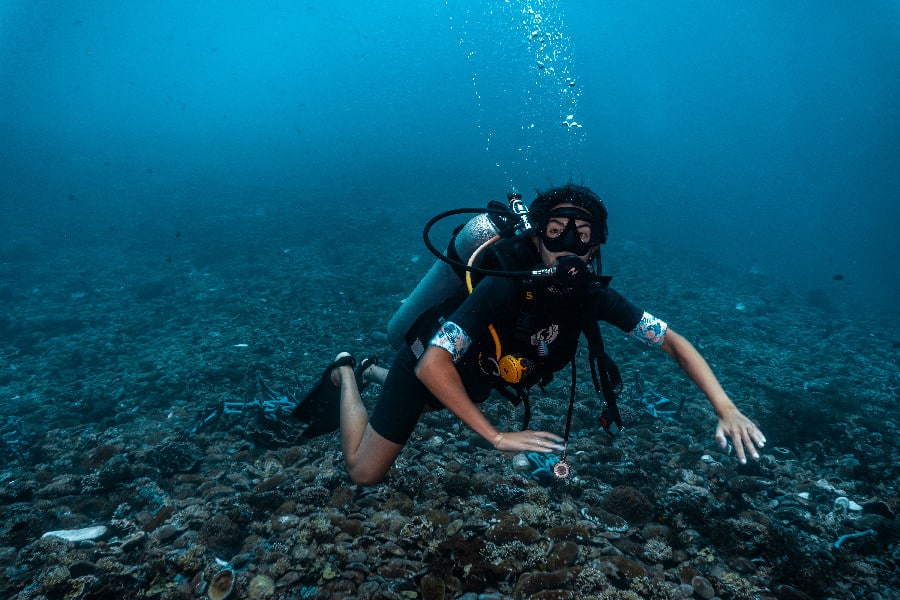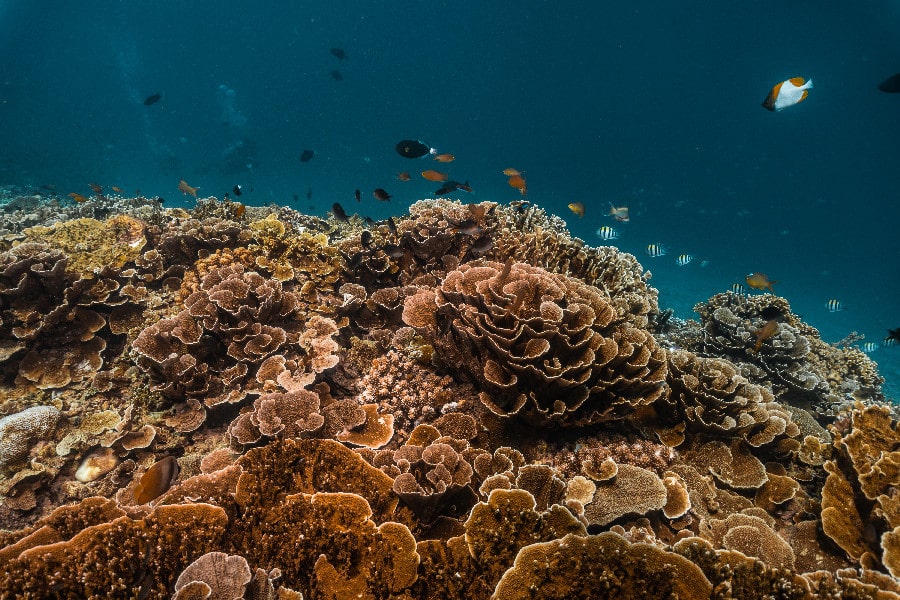

Scuba diving is one of the most incredible ways to experience the ocean. Floating weightlessly above coral reefs, swimming alongside turtles, and exploring an underwater world that most people never see can feel almost surreal.
But diving also comes with responsibility.
The ocean is beautiful, but it is still an environment humans are not naturally designed for. Good scuba diving is not about taking risks — it is about understanding them, preparing properly, and diving safely so every underwater experience remains enjoyable.
At Divine Divers Gili Meno, safety is always the foundation of every dive. Whether someone is taking their very first breath underwater or logging their hundredth dive in the Gili Islands, understanding basic health and safety considerations is essential.
Being Honest About Your Health
One of the most important parts of diving safely happens before entering the water.
Scuba diving affects the body in unique ways because of pressure changes underwater. Certain medical conditions can increase risks while diving, especially issues related to the lungs, heart, ears, or respiratory system.
This is why divers complete medical questionnaires before diving courses. Sometimes people are tempted to skip information because they do not want to miss a dive, but honesty matters. A simple medical check can prevent serious problems underwater.
Even temporary conditions like colds, sinus infections, dehydration, exhaustion, or hangovers can affect diving safety.
The truth is simple: the ocean will still be there tomorrow. Your health always comes first.
Equalizing and Ear Safety
Almost every diver remembers the feeling of pressure in their ears during their first descent.
As divers go deeper, water pressure increases quickly. Equalizing helps balance pressure inside the ears and prevents discomfort or injury.
The golden rule is never force it.
Descending slowly, equalizing early, and communicating with your instructor or buddy makes a huge difference. Pain is never something divers should “push through” underwater.
Fortunately, in calm destinations like Gili Meno, relaxed dive conditions often make learning these skills much easier for beginners.
Hydration and Fatigue
Tropical dive holidays can sometimes trick people into forgetting basic self-care.
Hot weather, sun exposure, salty water, and multiple dives per day can quickly lead to dehydration and fatigue. Many divers do not realize how much energy diving actually uses.
Drinking enough water, eating properly, sleeping well, and avoiding excessive alcohol are all important parts of dive safety.
This becomes especially important during repetitive diving days in the Gili Islands, where warm water and easy conditions make it tempting to spend every possible hour underwater.
Mental Comfort Matters Too
People often focus only on physical health, but mental comfort underwater matters just as much.
Feeling nervous before a dive is completely normal, especially for beginners. The key is diving at your own pace, communicating openly, and never feeling pressured.
Good instructors understand that confidence underwater takes time. Calm briefings, small groups, and relaxed dive environments help divers feel comfortable and safe.
At Divine Divers Gili Meno, many first-time divers quickly relax because of the warm water, gentle conditions, and peaceful island atmosphere. Diving should feel exciting — not stressful.
Respecting Limits
One of the biggest safety mistakes divers make is comparing themselves to others.
Every diver has different experience levels, comfort zones, and physical conditions. Safe diving means respecting your own limits rather than trying to impress people.
Sometimes the smartest diver on the boat is the one who decides not to dive.
Good buoyancy, slow ascents, proper air management, and conservative dive planning are far more important than chasing depth numbers or difficult conditions.
Diving Is Safe When Done Properly
Scuba diving has an incredible safety record when divers follow proper training and procedures.
Modern dive equipment, professional training systems, and good dive planning make recreational diving very safe. Most diving accidents are preventable and usually linked to rushing, poor decision-making, or ignoring basic safety principles.
That is why choosing a professional dive center matters.
The Best Divers Dive Conservatively
Interestingly, experienced divers are often the calmest and most conservative people underwater.
They know that the goal is not pushing limits. The goal is enjoying the ocean safely for many years to come.
Places like Gili Meno remind divers exactly why safety matters. When you are floating above coral reefs surrounded by turtles in warm crystal-clear water, there is no need to rush anything.
The ocean is best enjoyed slowly, safely, and with respect.