
If you ask divers about the most famous dive site around the Gili Islands, one name almost always comes up first:
And the name alone already creates excitement before entering the water.
People imagine huge sharks circling through deep blue water.
The reality is much calmer — and actually much more beautiful.
Shark Point is not famous because it is dangerous.
It is famous because it perfectly combines healthy coral reefs, turtle encounters, reef sharks, drifting currents, an epic wreck and classic tropical Gili diving all in one site.
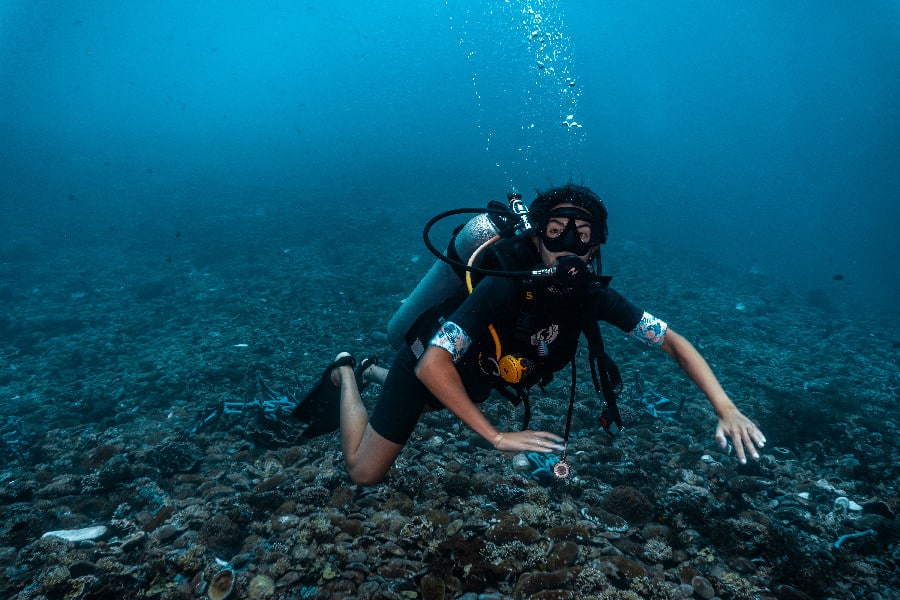
For many divers, this is the dive that truly makes them fall in love with diving around the Gilis.
Where Is Shark Point?
Shark Point sits on the north western side of Gili Trawangan.
The site stretches across a long reef system with different depths and coral formations, which means conditions can feel very different depending on the dive plan, currents, and experience level of the divers. You can actualy do three dives at Shark Point and never visit the same spot.
Shallow coral gardens transition slowly into deeper reef slopes where larger marine life is more commonly spotted.
Some days are calm and relaxed.
Other days feel fast and full of action.
That unpredictability is part of what makes Shark Point so addictive for experienced divers.
Are There Actually Sharks?
Yes.
But usually not in the dramatic way people imagine.
The sharks most commonly seen here are white-tip reef sharks and occasionally black-tip reef sharks. They are generally shy, calm animals that spend much of their time resting deeper along the reef or slowly cruising through the blue.
First shark encounters underwater usually feel more magical than scary.
There is no aggression.
No dramatic movie moment.
Just a beautiful wild animal moving naturally through its environment.
And once you see one underwater for the first time, you suddenly understand why divers become obsessed with shark encounters.
The Glenn Nusa Wreck — Shark Point’s Hidden Bonus
One of the coolest things about diving Shark Point is that the site actually hides another very special attraction underwater:
Many divers do not even realize the wreck is there until the dive briefing.
The wreck sits deeper along the reef and has slowly transformed into a beautiful artificial reef full of marine life. Over time, coral growth has started covering large parts of the structure while schools of fish constantly circle around it.
Descending onto the wreck during a dive at Shark Point feels incredible because it suddenly changes the atmosphere of the dive completely.
One moment you are drifting over coral reef and turtles.
The next moment, a large underwater structure slowly appears out of the blue water beneath you.
Turtles Everywhere
Ironically, many dives at Shark Point include more turtles than sharks.
Green turtles are incredibly common here and are often seen resting beneath coral formations or swimming slowly through the reef.
Sometimes several turtles appear during a single dive.
And because visibility around the Gili Islands can become excellent during peak season, seeing turtles glide through clear blue water at Shark Point feels absolutely spectacular.
The Currents: Why Shark Point Changes Daily
One reason Shark Point remains interesting even for experienced divers is the current.
Conditions here can range from very gentle drift dives to surprisingly strong moving water depending on tides and season. Would you like to undertstand more about the currents on the Gili Islands?
And honestly, that changing energy is part of the site’s personality.
During calmer conditions, Shark Point can be easily accessible for less experienced divers. But on stronger current days, the site becomes more exciting and better suited for Advanced Open Water divers or people comfortable with drift diving.
The currents also help explain why marine life here stays so healthy.
Moving water brings nutrients, attracts fish, and creates a much more dynamic reef ecosystem.
Coral, Fish Life, and Deep Blue Water
Even without sharks, Shark Point would still be an excellent dive site.
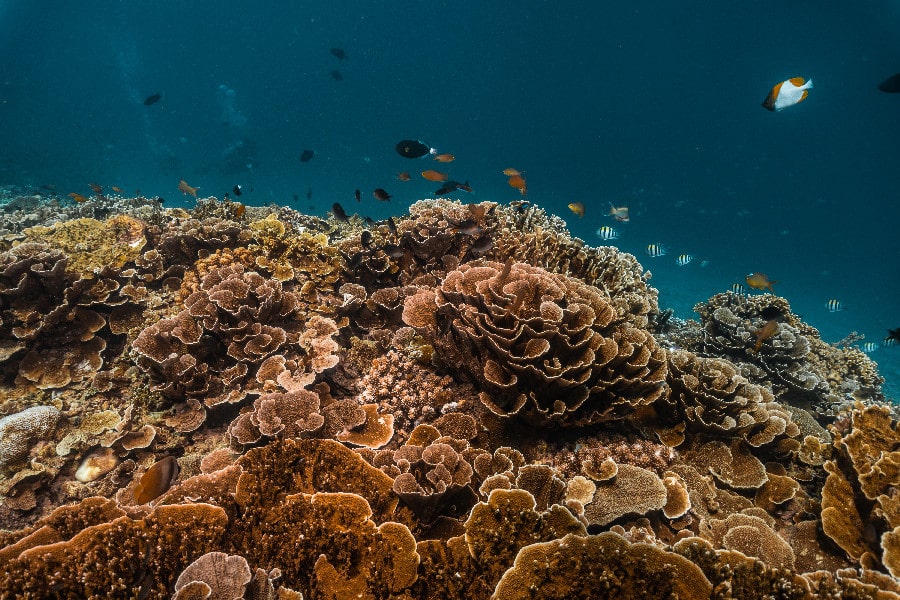
Large coral bommies, healthy reef sections, schools of snapper, sweetlips, angelfish, trevallies, and reef fish create constant movement across the reef.
The deeper blue water surrounding the reef also gives the site a more “oceanic” feeling compared to some shallower Gili dive sites.
This is what many divers love most about Shark Point.
It feels wild.
Not extreme.
Not dangerous.
Just alive.
The Best Time To Dive Shark Point
Visibility is often best between April and November, especially during the dry season when water conditions become exceptionally clear.
However, stronger visibility often also comes together with stronger currents.
During rainy season months, visibility can occasionally reduce slightly, but currents are often calmer too.
That balance is something dive guides around the Gilis constantly adapt to depending on diver experience.
At Divine Divers Gili Meno, we visit Shark Point every second day. All year round.
Don’t forget to have a look at all the other beautiful dives sites the Gilis have on offer.