
One of the first things new divers notice underwater is that not all corals look the same.
Some resemble giant underwater trees.
Others form dinner-table-sized platforms.
Some grow into massive boulders that may be hundreds of years old.
Others spread across the reef like a colourful carpet.
These different shapes are known as coral growth forms.
Understanding them not only helps to identify corals but also reveals why certain fish, turtles, and marine creatures prefer specific areas of the reef.
During snorkeling or scuba diving in the Gili Islands, you will encounter a remarkable variety of coral growth forms thanks to the islands’ location within the Coral Triangle, the most biodiverse marine region on Earth.
Why Do Corals Grow in Different Shapes?
Corals are constantly adapting to their environment.
Current strength.
Wave exposure.
Light availability.
Water depth.
Sedimentation.
All influence how a coral grows.
A coral living in calm water may develop into a large table coral.
The same species exposed to stronger currents might grow in a more compact form.
Each shape has advantages and disadvantages.
And each creates habitat for different marine life.
Branching Corals
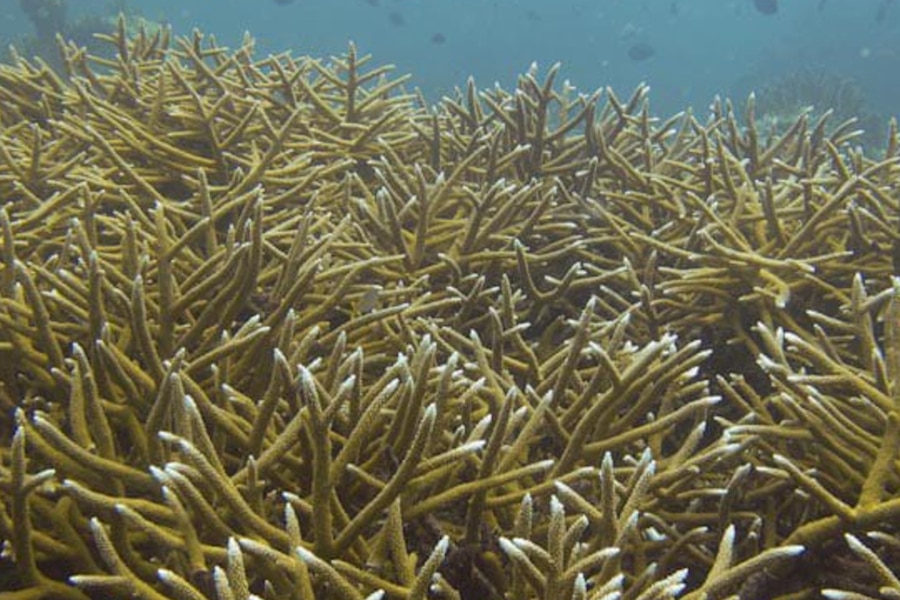
Branching corals are among the fastest-growing hard corals on the reef.
They resemble underwater forests and provide shelter for countless juvenile fish.
Damselfish, cardinalfish, and young reef fish often hide between the branches where predators struggle to reach them.
Many shallow reefs around Gili Meno and Gili Air contain extensive branching coral gardens.
Table Corals
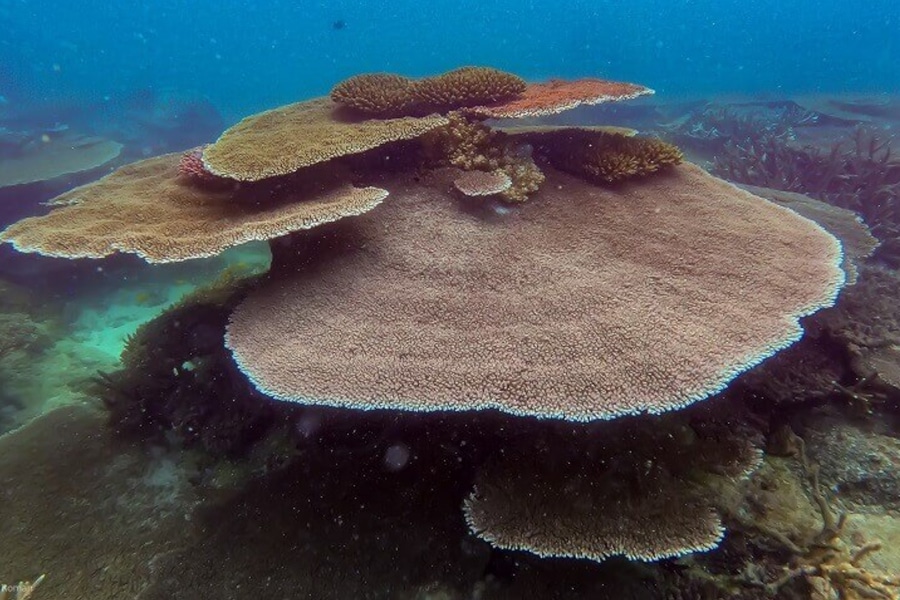
Table corals are among the most recognisable coral species.
They grow outward in large horizontal plates that can reach several metres in diameter.
The underside often provides shelter for reef fish, juvenile sharks, and turtles.
Many of the most beautiful table corals in the Gili Islands can be found at Sunset Reef, Shark Point, and Deep Turbo.
Massive Corals
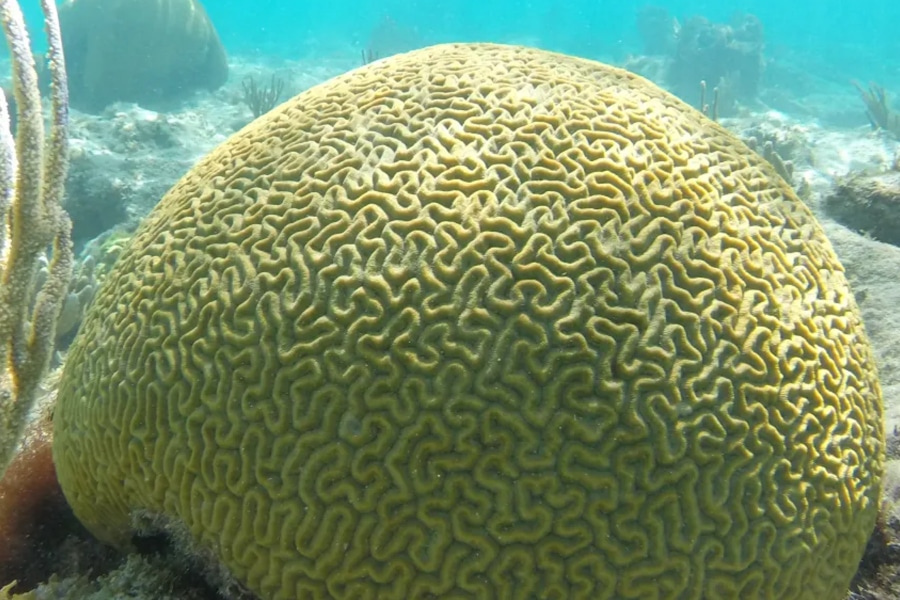
Massive corals are the giants of the reef.
Often called brain corals or boulder corals, they grow slowly but can survive storms, temperature fluctuations, and physical damage better than many other coral types.
Some large colonies may be several hundred years old.
These corals form the backbone of many reef systems.
The shallow parts of Shark Point and Halik are covered in boulder corals.
Columnar Corals
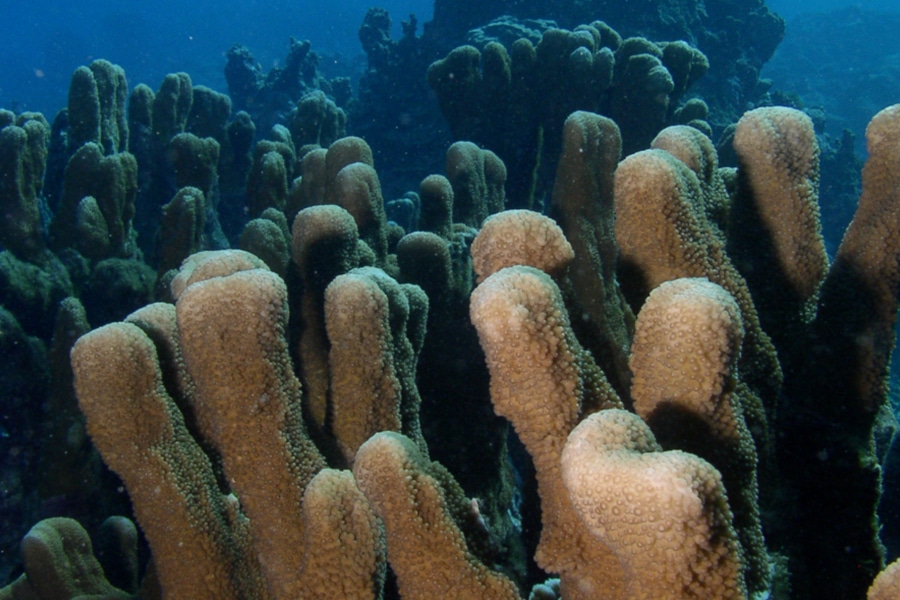
Columnar corals grow vertically towards the sunlight.
They create dramatic underwater landscapes and provide additional habitat for fish and invertebrates.
Although less common than branching or massive corals, they contribute significantly to reef diversity.
Encrusting Corals
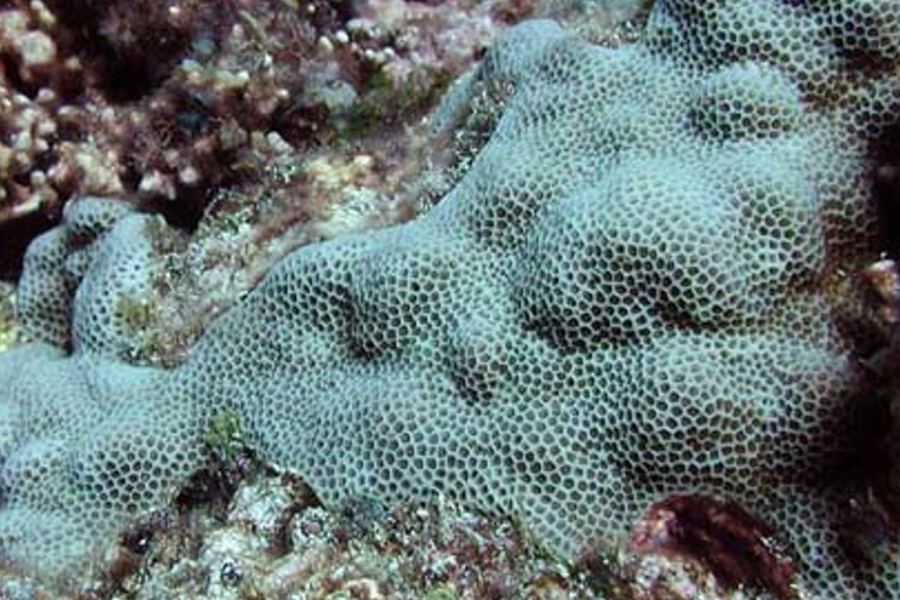
Encrusting corals spread across rock surfaces and reef structures.
Rather than growing upwards, they grow outwards.
They help stabilise reefs and often colonise surfaces that other corals struggle to occupy.
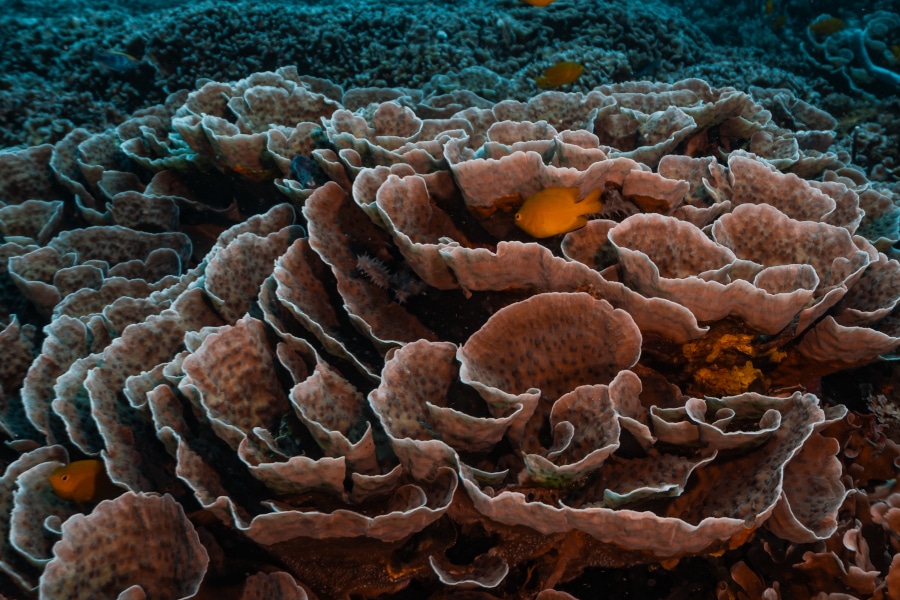
Foliose Corals
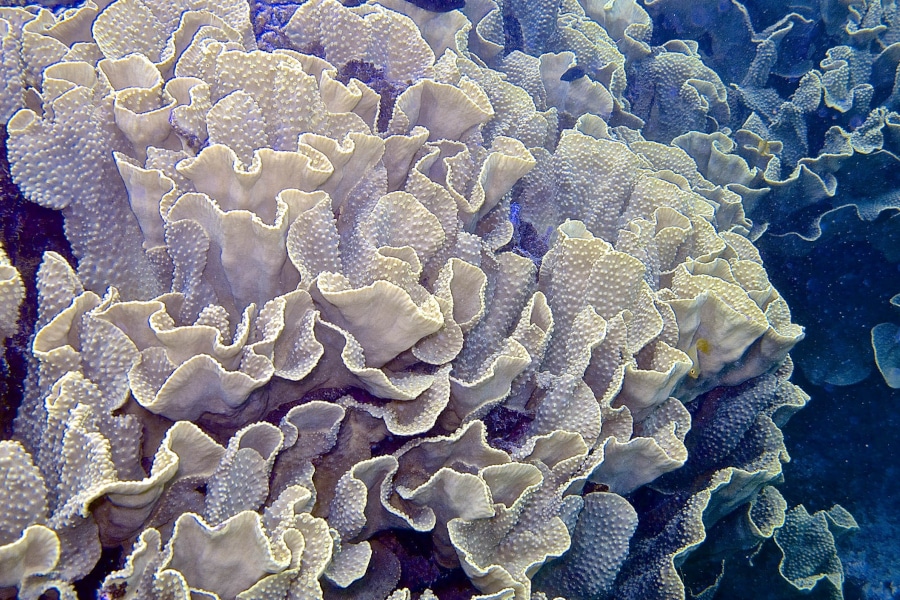
Foliose corals grow in folded plates and layers.
Their shape maximises surface area for sunlight exposure while creating countless hiding places for marine life.
These corals often appear like giant underwater lettuces or flowers.
Turtle City is covered in them.
Which Coral Shapes Support the Most Marine Life?
There is no single answer.
Different growth forms support different species.
Branching corals provide nursery habitat.
Table corals provide shelter.
Massive corals create long-term reef stability.
Foliose corals create hiding places.
The healthiest reefs contain a mixture of many coral growth forms.
What Snorkelers and Divers Should Look For
On your next snorkeling or diving adventure, challenge yourself to look beyond the fish.
Notice the coral structures themselves.
Look underneath table corals.
Search for juvenile fish within branching corals.
Observe how turtles rest next to massive corals.
Watch how current affects different growth forms.
The more you understand coral shapes, the more fascinating every snorkel trip or dive becomes.