

When people imagine a coral reef, they usually think of colourful fish swimming through beautiful corals.
It seems obvious that fish need coral reefs.
The corals provide shelter.
Protection.
Food.
A place to reproduce.
But what many divers don’t realise is that the relationship works both ways.
Coral reefs also need fish.
Without fish, even the healthiest coral reef would eventually begin to decline.
In fact, some of the smallest reef fish perform jobs so important that entire ecosystems depend on them.
The colourful fish you admire while snorkeling or scuba diving in the Gili Islands are not just living on the reef.
They are helping to keep it alive.
Coral Reefs Are Like Busy Cities
Imagine a large city.
Every person has a job.
Teachers educate children.
Doctors care for patients.
Engineers build roads.
Farmers produce food.
If one important group disappeared, the entire city would eventually struggle.
Coral reefs work in much the same way.
Every species has a role.
Some fish clean.
Some graze.
Some hunt.
Some recycle nutrients.
Some control populations of other animals.
Together they create one of the most balanced ecosystems on Earth. Learn more here why coral reefs matter.
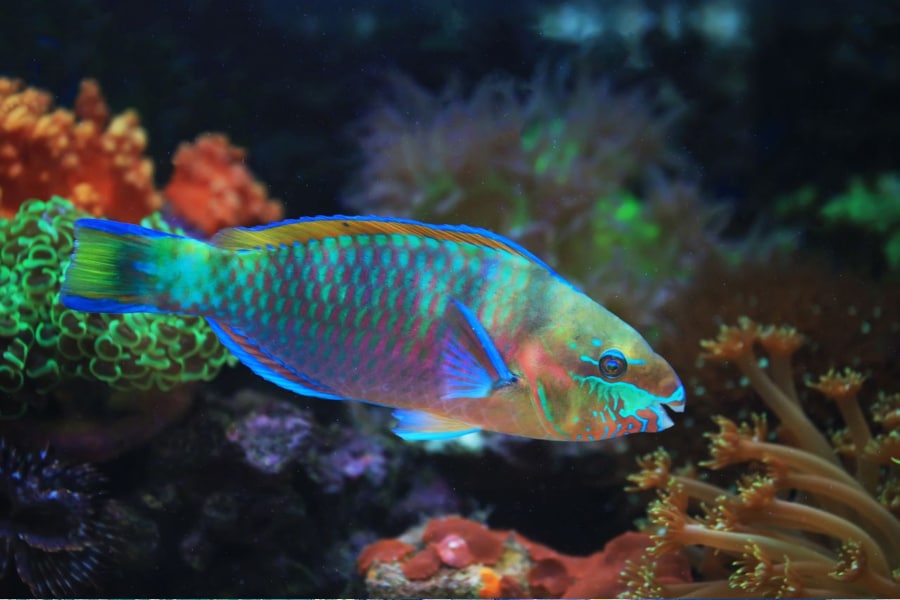
The Gardeners of the Reef: Parrotfish
Perhaps no fish is more important than the parrotfish.
At first glance, they seem to spend their entire day eating coral.
But they are not actually feeding on the coral itself.
They are scraping algae growing on the coral surface.
Without parrotfish, algae would quickly spread across the reef.
Algae grow much faster than corals.
If left unchecked, they smother coral colonies, block sunlight, and prevent young corals from settling and growing.
By constantly grazing, parrotfish keep reefs clean.
They create space for new corals.
They help maintain the delicate balance between coral and algae.
This is why marine biologists often call them the gardeners of the reef.
As an added bonus, parrotfish produce the white sand that makes tropical islands so famous.
As they scrape algae from coral, they also grind tiny amounts of limestone into fine particles.
After passing through the fish, this becomes the beautiful white sand found on many tropical beaches.
Some studies estimate that a single large parrotfish can produce hundreds of kilograms of sand each year.
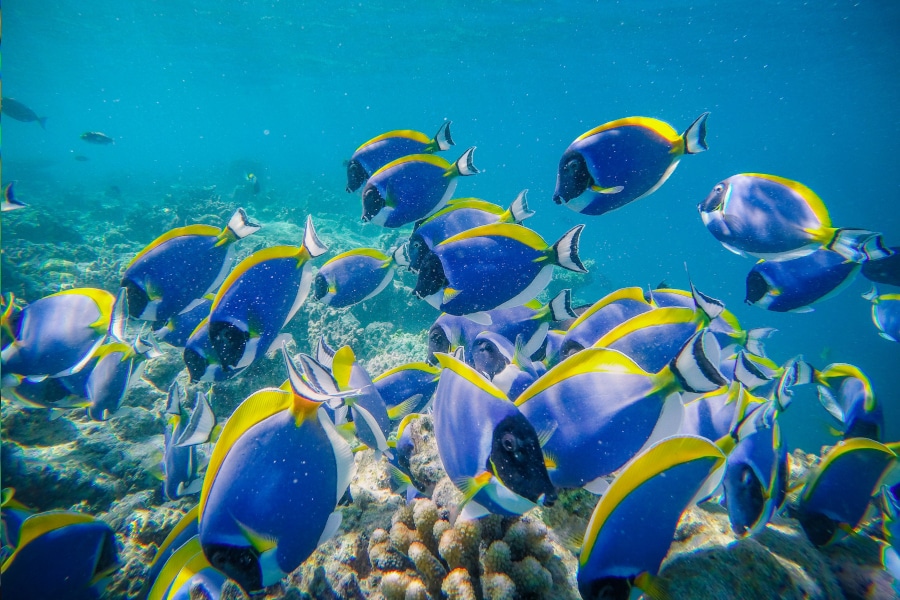
Surgeonfish: The Lawn Mowers
Parrotfish are not working alone.
Surgeonfish also spend much of the day grazing algae.
Instead of scraping coral, they feed on algae growing across the reef.
Together with parrotfish, they prevent algae from taking over.
Healthy reefs almost always have healthy populations of grazing fish to protect corals.
If you notice large schools of surgeonfish while sorkeling or diving, you are looking at one of the reasons the reefs remain productive.
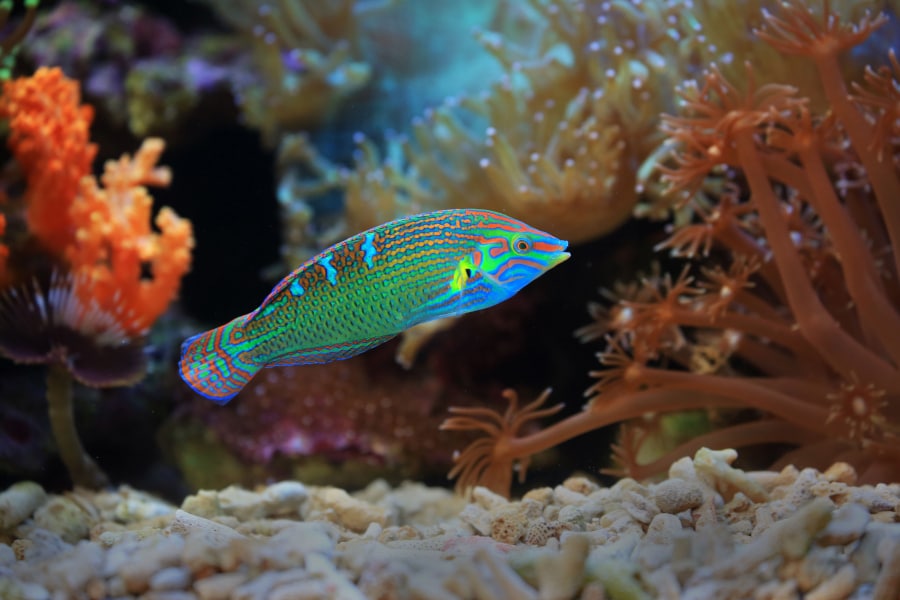
Cleaner Fish: Tiny Doctors
One of the most fascinating relationships on a coral reef involves cleaner fish.
Species such as the cleaner wrasse operate underwater cleaning stations.
Larger fish—including reef sharks, groupers, moray eels and turtles—visit these stations to have parasites and dead skin removed.
Rather than eating their clients, cleaner fish provide a valuable service.
The larger animals leave healthier.
The cleaner fish receive an easy meal.
It is one of the ocean’s best examples of cooperation.
Divers who remain still for a few minutes can often observe these cleaning stations in action.
Predators Keep the Reef Healthy
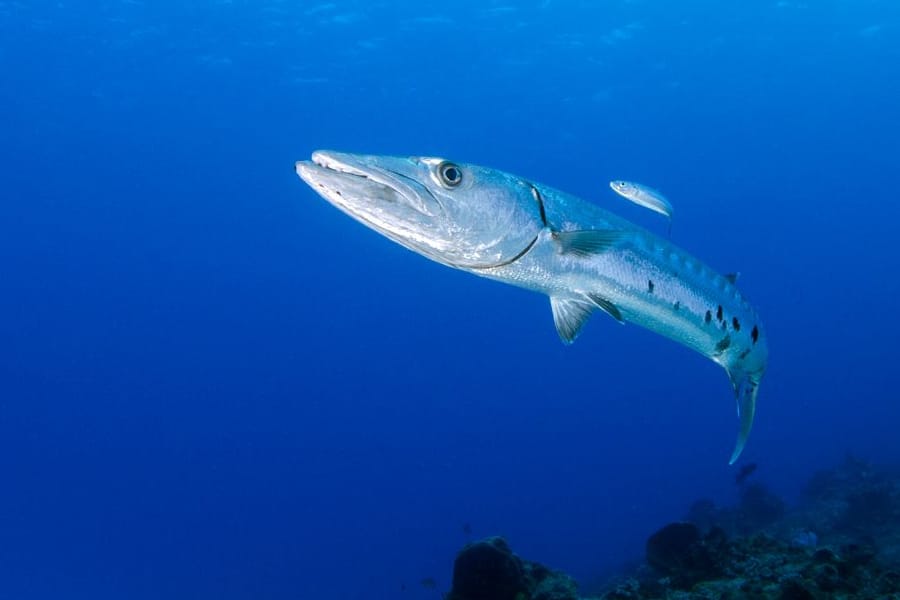
Healthy coral reefs also need predators.
Large groupers.
Trevallies.
Moray eels.
Barracuda.
And of course, reef sharks.
Predators prevent any single species from becoming too abundant.
Without predators, smaller fish populations can grow unchecked.
This affects algae, invertebrates, and eventually the entire reef ecosystem.
Predators help maintain balance.
Although many people fear sharks, they are actually one of the signs of a healthy reef.
Their presence tells us the food chain is functioning as it should.
The Unsung Heroes: Sea Cucumbers
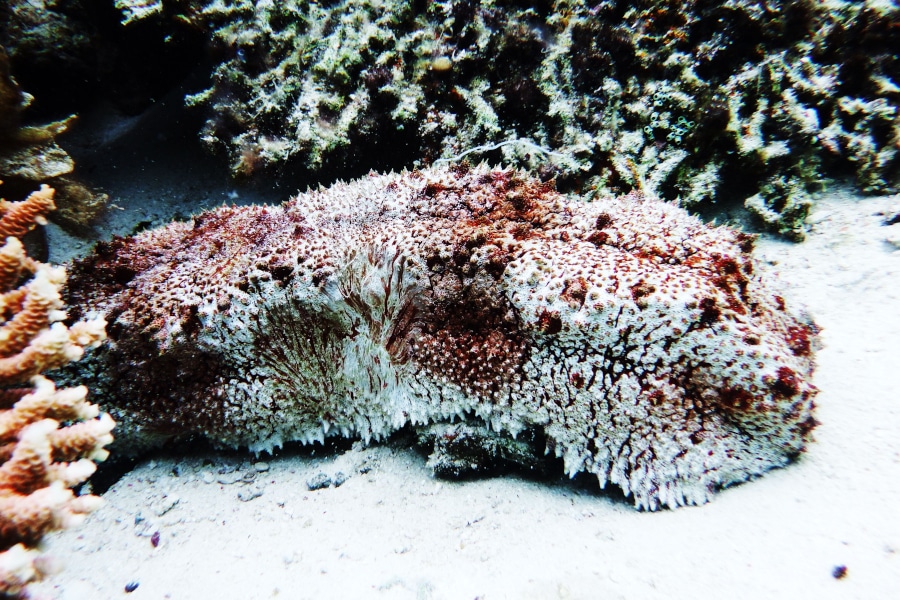
Although not fish, sea cucumbers deserve a mention because they perform another essential job.
They constantly process sand.
As they feed, they recycle nutrients and help keep the seabed healthy.
Think of them as the recycling service of the reef.
Without them, organic waste would accumulate much more quickly.
Every Fish Has a Job
Many reef fish perform surprisingly specialised roles.
Butterflyfish feed on coral polyps and can indicate the health of a reef.
Damselfish defend small algae gardens.
Gobies share burrows with pistol shrimp.
Cardinalfish shelter amongst branching corals during the day before feeding at night.
Each species contributes to the overall functioning of the reef.
Remove enough of these roles, and the entire ecosystem begins to weaken.
What Happens When Fish Disappear?
Scientists have observed this in many parts of the world.
When herbivorous fish are overfished, algae spread rapidly.
Corals struggle to compete.
Young corals cannot settle.
Biodiversity declines.
Eventually, a colourful coral reef can become an algae-covered landscape supporting far fewer species.
The loss of fish affects far more than just fishermen.
It affects the entire reef.
The Gili Islands: A Healthy Balance
One of the reasons scuba diving in the Gili Islands is so rewarding is that many reefs still support healthy fish populations.
Large schools of fusiliers race across the reef.
Surgeonfish graze continuously.
Parrotfish crunch noisily on coral.
Cleaner wrasse operate busy cleaning stations.
Predators such as whitetip reef sharks, blue fin trevallies and barracuda continue to patrol many dive sites.
Together, these species help maintain the balance that allows coral reefs to thrive.
Protecting fish populations is therefore just as important as protecting the corals themselves.
What Divers Can Do
Fortunately, helping reef fish is surprisingly simple.
Maintain good buoyancy so you do not damage the reef.
Never feed fish.
Respect marine life.
Support responsible dive operators.
Choose sustainable seafood whenever possible.
The healthier the fish populations, the healthier the reef becomes.
Final Thoughts
It is easy to think of coral reefs as giant underwater gardens filled with colourful fish.
In reality, those fish are the gardeners.
They clean.
They recycle.
They control algae.
They remove parasites.
They balance the food chain.
And they make it possible for corals to survive.
The next time you go sorkeling or scuba diving in the Gili Islands, spend a few minutes watching the fish instead of simply swimming past them towards the next turtle.
You will quickly realise they are not just living on the reef.
They are working every minute of every day to keep one of the most extraordinary ecosystems on Earth alive.