

Muck diving sounds like something you might want to avoid. The name doesn’t exactly suggest beautiful reefs, colourful corals or spectacular underwater scenery.
But muck diving is not about dirty water or poor-quality diving. It is about exploring sandy, silty and rubble-covered environments where some of the ocean’s most unusual marine life can be found.
Instead of looking across a large reef for turtles or sharks, muck divers slow down and search for tiny creatures that are often perfectly camouflaged against their surroundings.
Frogfish, seahorses, ghost pipefish, nudibranchs, shrimp and octopus can all turn an apparently empty patch of sand into an underwater treasure hunt.
For underwater photographers and macro enthusiasts, muck diving can be especially rewarding. The animals may be small, but the variety can be extraordinary.
Why Is It Called Muck Diving?
The term muck diving comes from the type of seabed found at these dive sites. Rather than dramatic coral formations, muck sites often consist of sand, mud, volcanic sediment, rubble, seagrass and artificial structures.
At first glance, these environments may seem less interesting than a healthy coral reef. But they provide habitats for many species that are rarely seen on traditional reef dives.
Muck diving is therefore less about the scenery and more about what you can discover within it.
A piece of rope might be home to a seahorse. A small piece of rubble could conceal a frogfish. A discarded shell might provide shelter for a tiny octopus. The key is learning to look carefully.
Muck Diving vs Reef Diving
The biggest difference is the way you approach the dive.
On a typical reef dive, you might cover a considerable distance while looking for larger marine life and enjoying the reef itself. Muck diving is usually slower and more deliberate.
Instead of swimming from one point to another, you might spend several minutes examining a small area of seabed.
There is often less emphasis on covering distance and more on finding unusual creatures.
This makes muck diving particularly appealing to divers who enjoy macro photography and critter hunting. A single small patch of sand can contain enough subjects to keep you busy for an entire dive.
What Can You Find on a Muck Dive?
The great attraction of muck diving is the variety of small and cryptic marine life.
Seahorses
Seahorses are among the most sought-after muck diving subjects. They can be surprisingly difficult to spot because they often blend into their surroundings and cling to seagrass, ropes, sponges or other structures.
Once you find one, take your time. Seahorses are usually slow-moving, making them excellent subjects for macro photography.
Frogfish
Frogfish are masters of camouflage. They can resemble sponges, rocks or pieces of rubble and may remain almost completely motionless while waiting for prey.
Their unusual shape and tiny details make them particularly rewarding photography subjects.
Ghost Pipefish
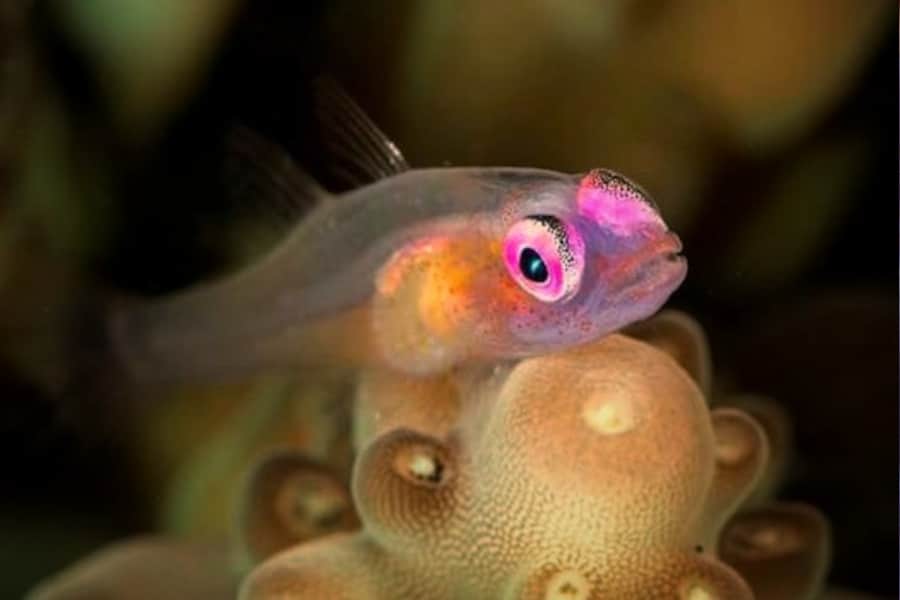
Ghost pipefish are another favourite among critter hunters. They are often found around soft corals, seagrass or other structures and can be extremely well camouflaged.
Finding one often depends more on having an experienced guide and a trained eye than on simply swimming further.
Nudibranchs
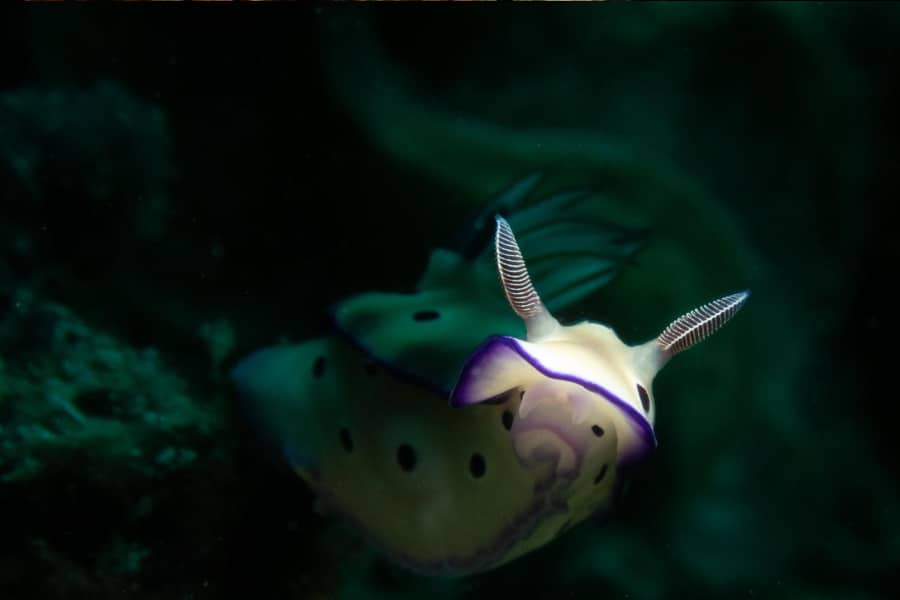
Muck sites can be excellent places to find nudibranchs. These tiny sea slugs come in an incredible variety of colours, shapes and patterns.
Because they move slowly, they are ideal subjects for macro photographers who want to experiment with composition and lighting.
Shrimp and Other Small Creatures
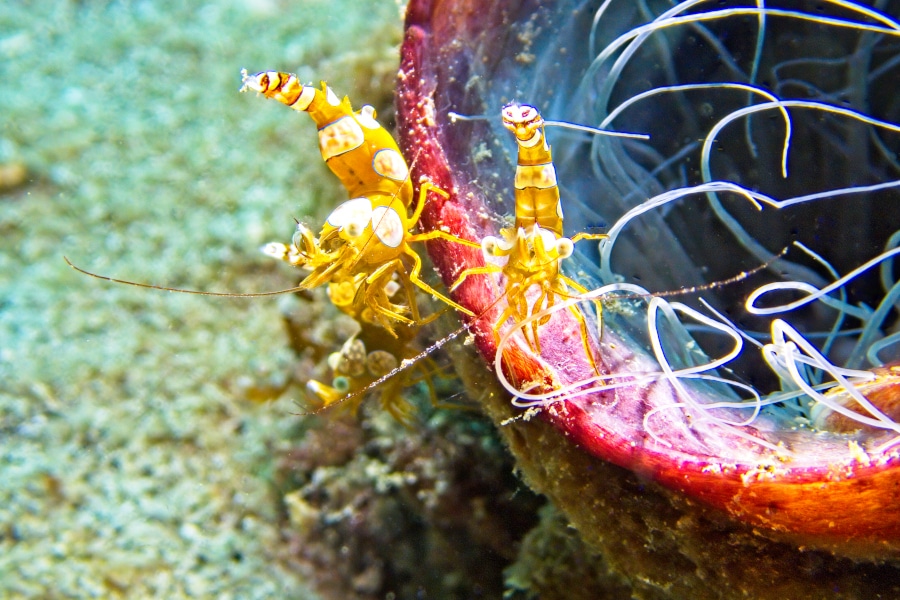
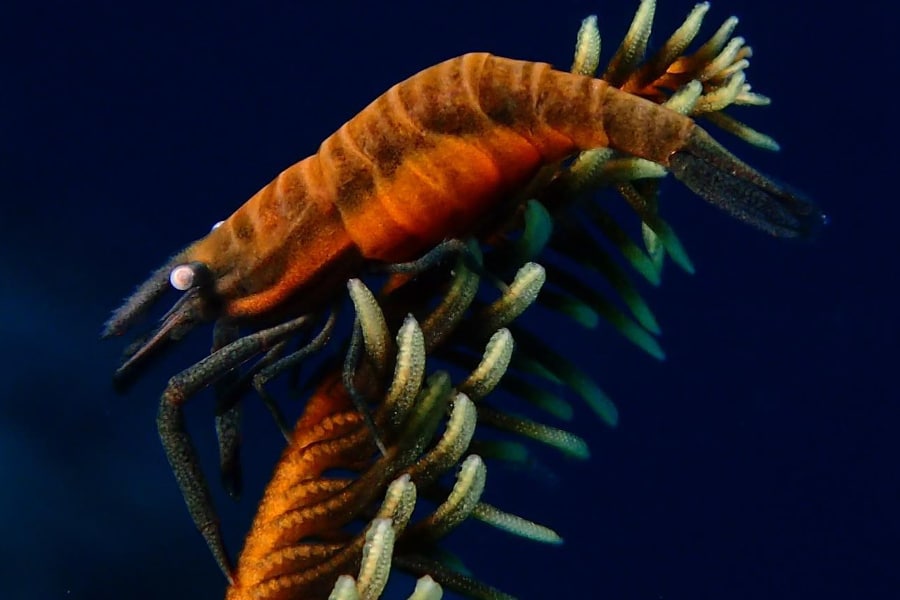
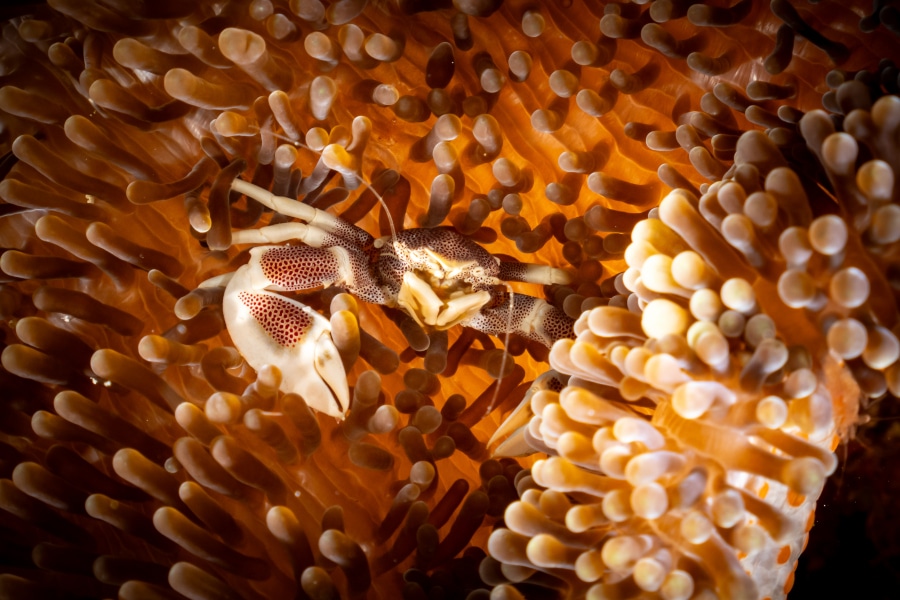
Look closely and you may also find unusual shrimp, crabs, pipefish, juvenile fish, octopus and other tiny animals hiding among the rubble or sediment.
Why Muck Diving Is Great for Macro Photography
Muck diving and macro photography are almost made for each other.
Macro photography allows you to fill the frame with subjects that might otherwise be almost invisible.
A tiny shrimp can become the centre of an entire photograph, revealing details that you would never notice with the naked eye.
Muck sites also offer plenty of relatively small subjects against simple backgrounds. This can make it easier to isolate an animal and create clean, striking compositions.
But good macro photography requires patience.
Don’t rush from one subject to another. Once your guide finds something interesting, take your time to observe it. Look at it from different angles, adjust your position and wait for the animal to settle.
And remember: getting close doesn’t mean touching the bottom.
Buoyancy Is Essential
Good buoyancy is particularly important when muck diving.
Sandy and silty bottoms are easily disturbed. A careless fin kick can send a cloud of sediment into the water, reducing visibility and potentially ruining the dive (and pictures) for everyone behind you.
This is especially important when diving with a group. Even if your own view clears quickly, the diver behind you may suddenly be looking at a wall of suspended sand.
Stay slightly above the bottom, keep your fins controlled and avoid using your hands to steady yourself.
Good buoyancy also protects the marine life living on or near the seabed.
The better your buoyancy, the more you will see—and the better the visibility will remain for everyone.
How to Find Small Marine Life
Muck diving rewards a different way of looking.
Instead of scanning the entire site, look for small details and unusual shapes. A seahorse may look like a piece of grass. A frogfish may look like a sponge. A ghost pipefish may disappear completely against a soft coral.
This is where a good local guide makes a huge difference.
Experienced guides know where particular species are often found and, more importantly, know what they are looking for. They can spot animals that most divers would swim straight past.
Once you start learning what to look for, you will gradually become better at finding them yourself.
Muck Diving and Underwater Photography
Muck diving can produce some spectacular macro photographs, but it also presents a few challenges.
Because the seabed can be very close to your subject, maintaining your position without touching anything is essential. Your camera and housing should remain under your control at all times.
Artificial lighting is often particularly useful. Strobes or video lights can bring out the colours and details of small animals that would otherwise appear muted in ambient light.
Keep your lighting controlled and avoid illuminating unnecessary water between the camera and the subject. This helps reduce backscatter, which can be particularly noticeable when there are particles suspended in the water.
For more photography techniques, see our Complete Guide to Underwater Photography.
Why Apparently Empty Sand Can Be Full of Life
One of the most interesting things about muck diving is how quickly your perception changes.
A sandy slope can initially look almost completely empty. After spending a few minutes there with an experienced guide, you may suddenly see a seahorse, two nudibranchs, a shrimp and a tiny frogfish.
The environment hasn’t changed.
You have simply learned how to look at it.
This is one of the reasons many experienced divers become passionate about muck diving.
Once you start noticing the small things, almost every piece of rubble becomes worth investigating.
Muck Diving Around the Gili Islands and Lombok
Some of the best muck-style diving in the Gili area is found across the water on Lombok, making these sites an excellent addition to a diving trip around the Gili Islands.
Kecinan
Kecinan is one of the area’s most rewarding sites for macro and critter diving. Sandy areas, rubble, artificial reef structures and anchor lines provide habitat for a remarkable variety of small marine life.
Seahorses, frogfish, ghost pipefish, nudibranchs, shrimp and octopus can all be encountered here.
Teluk Nare
Teluk Nare is another excellent area for macro diving, with sandy habitats and structures that attract a variety of small marine life. It is particularly interesting for photographers and divers who enjoy searching rather than simply following a reef.
Mentigi Bay
Also known as Seahorse Bay, Mentigi Bay combines sandy areas with larger coral blocks and generally has less boat traffic than Teluk Nare.
The site is particularly interesting for seahorses and other macro subjects.
Good buoyancy is essential here because the sandy bottom can easily be stirred up. Once the sediment is suspended, visibility can drop quickly.
These Lombok sites are only around a 25-minute boat ride from the Gili Islands, making them accessible for divers looking to explore something different from the traditional coral reefs around the Gilis.
Gili Air Harbour
You don’t have to cross over to Lombok for good muck diving. Gili Air Harbour is one of the best muck-style sites on the Gili Islands themselves, especially for divers interested in small and unusual marine life.
The sandy bottom and harbour structures provide habitat for pipefish, mandarinfish and all sorts of other critters.
For macro photographers, Gili Air Harbour can be particularly rewarding, with plenty of small subjects and interesting behaviour to look for.
Is Muck Diving for Beginners?
Muck diving itself does not necessarily require advanced diving skills. Many sites are relatively shallow and can have mild currents.
However, good buoyancy is extremely important. A diver who struggles to maintain position can quickly disturb the bottom, damage small organisms or reduce visibility for the group.
For beginners, a calm muck site can actually be an excellent opportunity to improve buoyancy and observation skills under the guidance of an experienced instructor or guide.
Muck Diving Etiquette
Muck diving requires particularly careful diving practices because many of the animals are small, delicate and well camouflaged.
Never move rubble, pick up animals or rearrange the environment to create a better photograph. Don’t touch or chase marine life.
Most importantly, don’t use the seabed to stabilise yourself.
Observe rather than interfere. The goal is to discover what is already there, not to change the environment to make it easier to photograph.
Frequently Asked Questions
Is muck diving dirty?
No. The name refers to the type of seabed, not necessarily poor water quality. Muck sites are typically sandy, silty or rubble-covered environments. Since the sites are often near or in harbours they can be dirty though.
Is muck diving only for photographers?
Yes and no. Photography is popular because of the unusual marine life, but muck diving is equally rewarding for divers who enjoy finding rare and well-camouflaged creatures.
What is the best camera for muck diving?
A camera with a good macro setup is ideal, but you don’t need professional equipment. Even compact cameras and some modern action cameras can capture interesting small marine life.
Why is buoyancy so important?
Sandy and silty bottoms are easily disturbed. Poor buoyancy can reduce visibility, disturb marine life and make photography much more difficult.
Where can I go muck diving near the Gili Islands?
Gili Air Harbour, Kecinan, Teluk Nare and Mentigi Bay on Lombok are among the most interesting muck and macro sites accessible from the Gili Islands.