
Coral reefs have been forming naturally for millions of years.
Tiny coral polyps slowly build limestone skeletons.
Generation after generation.
Century after century.
But what happens when a reef is damaged?
Can humans help nature recover?
The answer is yes.
Although nothing can truly replace a healthy natural reef, carefully designed artificial reefs can provide new habitat for marine life, encourage coral growth, and even become thriving ecosystems in their own right.
Today, artificial reefs are found all over the world.
From deliberately sunk ships and sculptures to specially designed reef modules and coral restoration projects, they have become an important tool in marine conservation.
The Gili Islands are home to several excellent examples.
What Is an Artificial Reef?
An artificial reef is any human-made structure intentionally placed underwater to create habitat for marine life.
The goal is not simply to place an object on the seabed.
The structure must provide a stable surface where marine organisms can settle and grow.
Over time, algae, sponges, corals, and countless other organisms colonise the structure.
As the ecosystem develops, predators arrive.
Eventually, an artificial reef can begin to resemble a natural reef.
Why Do We Build Artificial Reefs?
Artificial reefs serve many different purposes.
Some help restore damaged habitats.
Others increase fish populations.
Some reduce pressure on natural reefs by creating additional dive sites.
Others are designed purely for scientific research.
When carefully planned, artificial reefs can:
- Create habitat for marine life
- Encourage coral growth
- Increase biodiversity
- Support fisheries
- Reduce diving pressure on natural reefs
- Provide educational opportunities
- Help restore degraded seabeds
Artificial reefs are not intended to replace natural coral reefs.
They are designed to complement them.
How Does an Artificial Reef Become Alive?
When a new structure is placed underwater, it initially appears lifeless.
But nature works surprisingly quickly.
The first settlers are usually microscopic organisms and algae.
Next come sponges, tunicates and small invertebrates.
Hard and soft corals gradually begin attaching themselves to the surface.
As the habitat develops, small reef fish arrive.
Predators soon follow.
Within a few years, a once-bare structure can become covered in marine life.
Every artificial reef tells a story of ecological succession.
Different Types of Artificial Reefs
Artificial reefs come in many forms.
Shipwrecks
Deliberately sunk vessels create spectacular dive sites.
Their large structures provide shelter for fish while offering extensive surfaces for coral growth.
Over time, they become living reefs.
Coral Restoration Structures
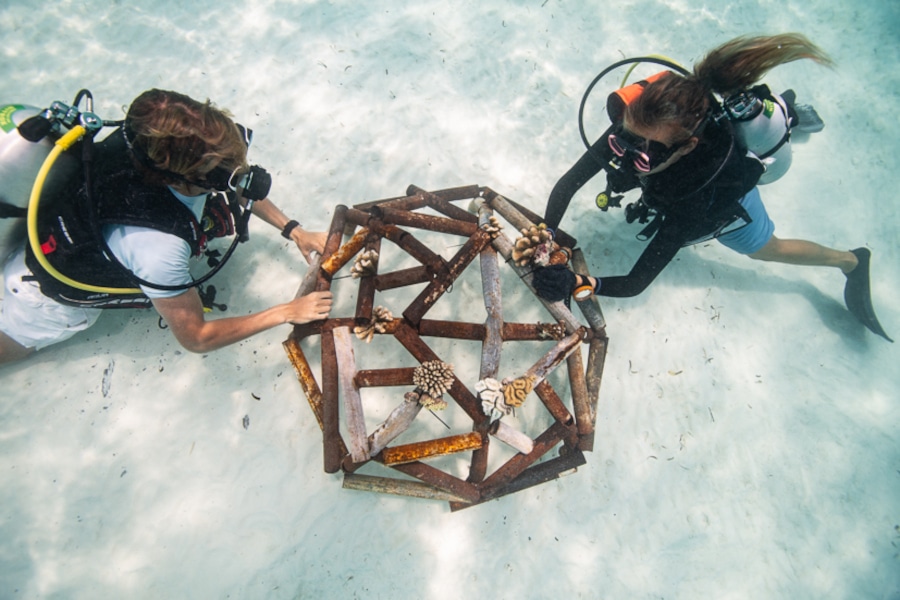
Metal frameworks, reef stars and specially designed modules provide stable surfaces where corals can be attached and grow.
Many restoration projects use these structures to rehabilitate damaged reef areas.
Sculptures
Around the world, underwater sculptures have become popular artificial reefs.
Although originally created as works of art, they quickly become colonised by marine life.
Concrete Reef Modules
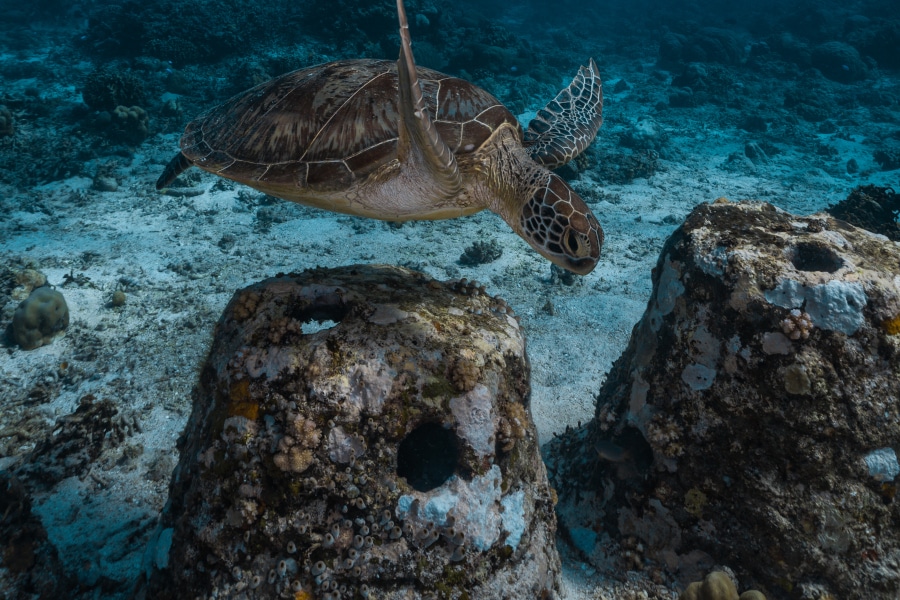
Specially designed concrete structures imitate the complexity of natural reefs.
Their holes and ledges provide shelter for juvenile fish and invertebrates.
Concrete reef modules can be found at Turtle City.
Artificial Reefs in the Gili Islands
Divers visiting the Gili Islands can explore several excellent examples of artificial reefs.
Each demonstrates a different approach to creating new marine habitat.

Biorocks
Perhaps the most famous restoration project in the Gili Islands is the biorocks.
Developed with the support of the Gili Eco Trust, these metal structures use a very low electrical current to encourage the natural deposition of limestone from seawater.
Corals attached to these structures often grow rapidly, while fish quickly adopt them as habitat.
Today, the Biorocks are among the islands’ best-known examples of successful coral restoration.
If you’d like to learn more about the science behind the technology, read our article Biorock Technology Explained.
Bounty Wreck
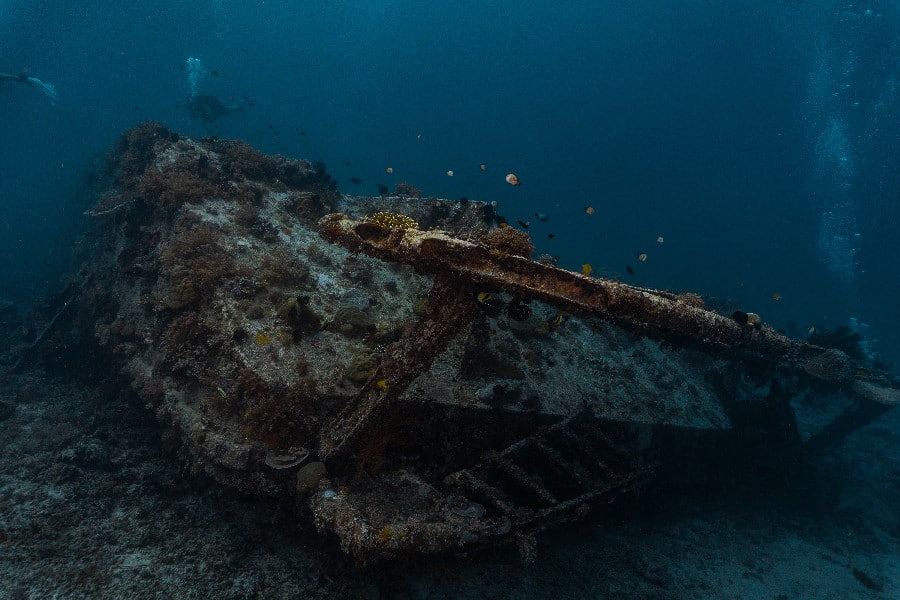
The Bounty Wreck is another fascinating example.
Although originally a wreck rather than a restoration project, it has gradually transformed into a thriving artificial reef.
Today, the structure supports:
- Frogfish
- Lionfish
- Scorpionfish
- Nudibranchs
- Large schools of drumfish
- Hard corals
- Soft corals
- Sponges
Many divers are surprised to learn that some of the best marine life around the wreck arrived long after the vessel settled on the seabed.
Nature slowly transformed it into a living reef.
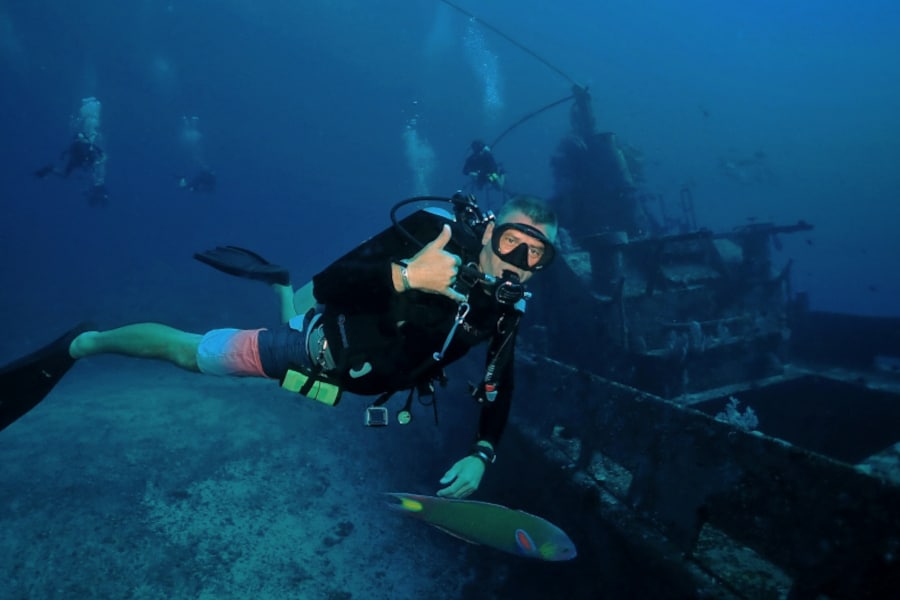
Glenn Nusa Wreck
The Glenn Nusa Wreck tells a similar story. Deliberately sunk in 2016 to create an artificial reef and wreck-diving attraction, its steel framework has since become a flourishing habitat for corals, sponges, and algae.
It demonstrates how quickly marine life can colonise suitable structures.
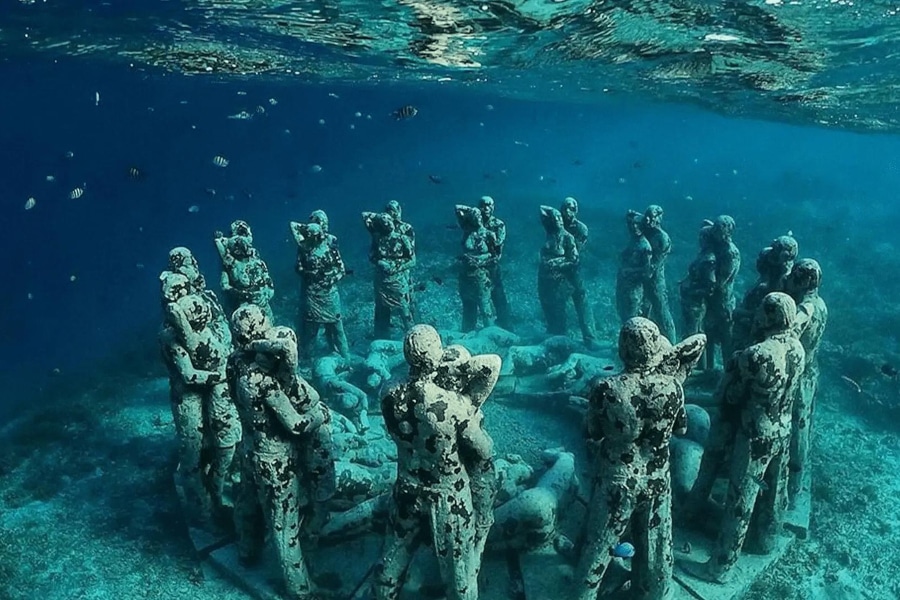
Underwater Statues
The famous underwater statues near Gili Meno were originally installed as an art installation.
Today they function as an artificial reef.
Sponges.
Soft corals.
Fish.
And turtles.
Nature has gradually claimed the sculptures, transforming them into part of the surrounding ecosystem.
Do Artificial Reefs Really Work?
Yes.
But there is an important distinction.
Artificial reefs create habitat.
They do not instantly create fully functioning coral reefs.
That takes time.
A successful artificial reef may take years or even decades to develop into a mature ecosystem.
Its success depends on many factors:
- Water quality
- Current
- Nearby natural reefs
- Coral larvae availability
- Fishing pressure
- Long-term protection
The best artificial reefs are those that complement healthy natural ecosystems rather than replacing them.
Artificial Reefs Are Not a Solution to Climate Change
Artificial reefs are valuable conservation tools.
But they cannot solve every problem.
If water temperatures continue rising or pollution increases, both natural and artificial reefs will suffer.
The greatest conservation priority remains protecting healthy natural reefs.
Artificial reefs help increase habitat and support recovery, but they work best alongside broader conservation efforts.
What Divers Can Learn from Artificial Reefs
Artificial reefs provide a fascinating opportunity to watch nature at work.
On every dive, new life is arriving.
Corals slowly spread.
Fish populations increase.
Sponges compete for space.
Predators appear.
Divers can often revisit the same artificial reef year after year and watch an ecosystem gradually develop.
Few places demonstrate the resilience of the ocean so clearly.